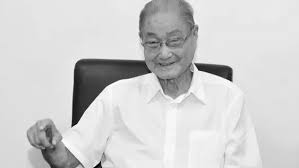
Central Politburo Former Standing Committee Member Song Ping Dies at Age 109

Editor 04 Mar, 2026 ... min lectura

On March 4, 2026, at 3:36 p.m. local time in Beijing, Song Ping, a former member of the Central Political Bureau Standing Committee, passed away due to illness, reaching the age of 109 years. The news was officially confirmed by the Xinhua News Agency, marking the end of a remarkable life that spanned over a century of significant contributions to China's political landscape.

As a veteran member of the Communist Party, Song Ping served as a key figure in China's revolutionary and political history. His career, which began in the early days of the People's Republic of China, was marked by his dedication to the party's ideals and his role in shaping national policies during critical periods of development.

According to official reports, Song Ping was one of China's most respected political leaders, having held high-ranking positions in the government and the party for decades. His legacy includes his contributions to economic reforms, international relations, and the strengthening of China's political institutions. The announcement highlighted his status as an exemplary Communist Party member who dedicated his life to the nation's progress.

The death of a 109-year-old Communist Party official is unprecedented in modern Chinese history, raising questions about the longevity of such figures and the medical challenges faced by elderly party members. This event has drawn attention to the importance of healthcare systems for aging party members and the broader implications for China's aging population.

China's leadership has long been associated with a strong emphasis on longevity and resilience, and Song Ping's passing reflects the country's historical commitment to fostering a generation of leaders who can navigate complex political and economic challenges. His life story provides a unique perspective on the intersection of personal longevity and political service in a rapidly evolving society.

As one of the earliest leaders of the People's Republic of China, Song Ping's career coincided with pivotal moments in the country's development, from the initial establishment of the socialist system to the modern era of economic growth and technological advancement. His work in the government and party has been widely recognized for its impact on national policy and international engagement.

His family and friends have expressed gratitude for the contributions made by Song Ping throughout his life. The news has been met with widespread respect and condolences from across the country, highlighting the deep respect for his role in shaping China's political future.

Experts have noted that the longevity of Chinese political figures has historically been a topic of interest, particularly in light of the country's rapid demographic changes. The case of Song Ping underscores the need for better understanding of health and governance in aging populations within China's political framework.

As China continues to evolve, the legacy of leaders like Song Ping remains relevant as the nation addresses challenges in aging populations, healthcare, and the long-term sustainability of its political institutions.