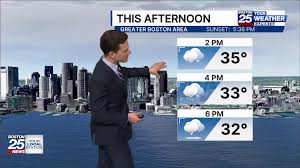
Massachusetts schools across multiple regions are taking proactive measures to ensure student safety as a significant winter weather system continues to impact the state. School districts from Worcester to Boston are reporting early closures and the cancellation of evening extracurricular activities due to accumulating snow and freezing conditions. The decision reflects a growing trend of educational institutions prioritizing student welfare over traditional schedules amid increasingly unpredictable winter patterns.
Worcester public schools, for instance, have announced a two-hour delay for Wednesday, March 3, as meteorological data indicates a potential mix of snow and sleet. This delay follows the city's receipt of 1.5 inches of snow by 10 p.m. Tuesday. School officials emphasize that such adjustments are critical for managing transportation safety and minimizing exposure to hazardous conditions. The incident underscores how localized weather events can disrupt regional education systems at scale.
Statewide, Massachusetts' Department of Elementary and Secondary Education has issued guidance recommending early closures when snow accumulations exceed 1 inch in any location within a 25-mile radius of a school. This threshold has been exceeded in multiple districts, including Boston, Worcester, and Springfield, triggering cascading effects across 250+ school districts. The pattern highlights a shift in how educational institutions respond to winter weather, moving from reactive to proactive measures.
Parents and educators alike report heightened concerns about infrastructure resilience as winter storms become more frequent and intense. In Springfield, a school district recently upgraded its snowplow fleet to handle heavier accumulations, while in Plymouth, schools have implemented new protocols for snow removal and student transportation. These adaptations indicate a growing recognition of the operational challenges posed by climate-related disruptions.
Experts caution that this trend could lead to more widespread school closures if the weather system intensifies. Meteorologists predict continued snowfall across the state through the weekend, with some areas forecasted to receive 2 inches or more. School districts are preparing contingency plans, including extended snow days and remote learning options, to mitigate the impact on students and staff. The situation illustrates how climate variability is increasingly shaping educational decision-making at the local level.
Education leaders stress that these measures are not arbitrary but are based on rigorous safety assessments. Districts use real-time weather data, snow depth measurements, and traffic conditions to determine closure decisions. The shift from traditional snow days to more precise, data-driven responses reflects broader changes in how schools manage seasonal disruptions.
The National Weather Service has noted a 15% increase in winter precipitation events over the past decade in Massachusetts, correlating with rising average snowfall amounts. This trend suggests that schools may need to adapt their protocols further to address the evolving climate patterns. While temporary closures are a standard response to severe weather, the frequency and intensity of these events highlight the need for long-term infrastructure improvements and climate resilience planning.