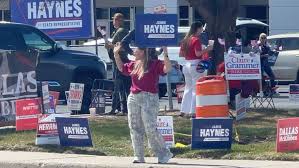
On March 3, 2026, the Texas Panhandle region witnessed a dynamic primary election landscape as voters participated in crucial state and local contests. The area, known for its agricultural economy and diverse political leanings, saw significant voter engagement across multiple jurisdictions. State Representative District 86 in Potter County emerged as a focal point, where competitive dynamics between candidates from different ideological backgrounds shaped the outcome of this pivotal race.
The primary elections in the Texas Panhandle, particularly in the agricultural heartland of the region, have historically been a testing ground for political strategies. With the state's rural communities often voting in blocs based on local issues, this election cycle highlighted the tension between agricultural interests and emerging urban-centric policies. As one observer noted, the region's unique economic challenges, including water management and infrastructure, have long influenced voter preferences.
At the heart of the primary results was State Representative District 86 in Potter County. This district, covering a mix of small towns and rural communities, has seen a shift toward more progressive candidates in recent years. The contest between traditional factions and newer, issue-driven candidates revealed a complex interplay of local concerns and state-level policy implications. The outcome could significantly impact future state legislation, particularly on agricultural subsidies and rural development programs.
Analysis of the primary results indicates that the race in District 86 was particularly contentious. With candidates emphasizing different priorities, from infrastructure to economic growth, the election highlighted the region's growing emphasis on sustainable practices and economic resilience. The results underscored how local political dynamics are increasingly influenced by broader economic trends, such as climate change impacts and market volatility.
As the primary elections concluded, analysts noted the importance of voter turnout in rural areas. The Texas Panhandle, with its lower population density compared to urban centers, has traditionally seen lower voter engagement. However, this year's results suggest a potential shift toward greater participation, driven by increased awareness of local issues and the perceived relevance of state-level policies to rural communities.
Looking ahead, the primary results will set the stage for the general election, where the outcome of these races could influence the composition of the Texas legislature and state government. The competitive nature of these contests in the Panhandle reflects the broader challenges facing rural America in adapting to economic pressures and demographic shifts.