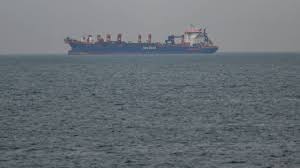
As the Strait of Hormuz faces an unprecedented blockade, global energy markets are experiencing immediate and profound disruptions. This critical waterway, which accounts for approximately 20% of the world's oil shipments, has become the focal point of a potential energy crisis. Analysts predict that the economic fallout will be most severe in Asian economies heavily reliant on Middle Eastern oil.
The closure, as confirmed by Iran's Revolutionary Guard, signals a significant escalation in regional tensions. With over 50% of global oil trade passing through this strategic chokepoint, the immediate impact includes sharp increases in crude oil prices, reduced supply to major consumers like China and India, and heightened volatility in financial markets. The U.S. Energy Information Administration has warned that a full shutdown could disrupt oil flows for up to 40 days, creating a ripple effect across multiple continents.
Regional economic consequences are particularly acute in the Gulf Cooperation Council states, including Saudi Arabia, the United Arab Emirates, and Kuwait. These nations depend on oil exports to fund their economies, and a prolonged closure would force them to divert shipments through alternative routes, which are often less efficient and more expensive. The cost of rerouting shipments could add up to $1.2 billion per day in additional expenses for major consumers like Japan and South Korea.
International responses have been fragmented. While the United States and European Union have imposed sanctions on Iranian entities, they lack the capacity to fully mitigate the immediate impact of the blockade. The International Energy Agency (IEA) has called for emergency coordination among member states to ensure alternative supply chains, but logistical challenges remain significant. The UN's role in mediating a peaceful resolution has also been questioned, given the complex geopolitical dynamics at play.
Long-term implications of such a blockade could reshape global energy infrastructure. Countries like Singapore and Malaysia, which serve as major refueling hubs, may need to develop new strategic reserves to compensate for disruptions. Additionally, the incident highlights the vulnerability of global oil supply chains to geopolitical conflicts, a risk that has been increasingly recognized in recent years.
As the situation evolves, the international community must address the root causes of this crisis, including diplomatic engagement and contingency planning for alternative energy sources. The Strait of Hormuz is not just a passage; it is a vital artery connecting global energy production to consumption centers worldwide. Its disruption could have lasting consequences for the global economy and geopolitical stability.