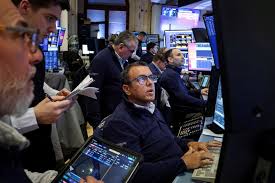
Wall Street experienced significant volatility on Wednesday, March 3, 2026, as investors grappled with fears of a prolonged conflict between the United States and Iran. The Dow Jones Industrial Average dropped over 1.5 percent, while the S&P 500 and Nasdaq Composite indices saw sharp declines of more than 1.2 percent each. Oil prices surged, with Brent crude climbing 3.8 percent, reflecting global market anxiety. This downturn occurred amid reports of new missile strikes by Iran targeting U.S. military assets in the Persian Gulf, signaling a potential escalation in the ongoing diplomatic and military standoff.
Analysts attribute the market turmoil to a combination of heightened geopolitical uncertainty and reduced investor confidence in the stability of energy markets. The conflict, which has been marked by intermittent exchanges of missile fire, has now entered a phase of sustained tension, with both sides anticipating further military action. The U.S. military has been conducting additional patrols near key strategic locations, while Iran has maintained a pattern of retaliatory strikes against U.S. interests in the region. These developments have created a ripple effect across financial markets, affecting not only stock prices but also commodity prices and global trade flows.
Financial experts warn that the prolonged nature of this conflict could lead to significant economic disruptions, particularly in the energy sector. With oil prices already rising, a sustained increase in energy costs could strain household budgets and corporate margins. The International Energy Agency has reported a 5 percent surge in global oil demand, which has been exacerbated by fears of supply chain disruptions due to the conflict. This situation highlights the interconnectedness of geopolitical events and global economic performance, where a single incident can have far-reaching consequences.
Investors are increasingly turning to risk management strategies, with many portfolio managers diversifying their holdings and reducing exposure to volatile assets. The Federal Reserve has signaled its readiness to adjust monetary policy in response to the market instability, though the timing and magnitude of such adjustments remain uncertain. The conflict has also prompted a reassessment of supply chain resilience, with companies reevaluating their operations in light of potential disruptions to critical infrastructure.
Global economic indicators, including the latest GDP data from major economies, have been under pressure as markets react to the uncertainty. The European Union has launched a coordinated response to support energy security, while the United Nations continues to mediate diplomatic efforts to de-escalate the situation. However, the path to stability remains unclear, with both nations holding firm to their positions and signaling a lack of immediate resolution.
The incident underscores the critical role of international relations in shaping global financial markets. As the conflict continues to evolve, investors will need to monitor key indicators such as military activity, oil prices, and diplomatic progress closely. The market’s response to this situation has highlighted the fragility of the current economic climate and the need for robust contingency planning.