Satellite Images Reveal Escalating Damage Across Iran Amid U.S. and Israeli Military Campaign

Editor 02 Mar, 2026 ... min lectura

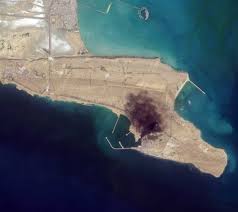
Commercial satellite imagery is now offering unprecedented insights into the rapidly unfolding conflict in Iran, with images showing widespread damage to military installations and critical infrastructure across multiple regions. According to data from Planet Labs and Airbus, smoke plumes have been observed rising over key locations including Konarak naval base in southern Iran and the Leadership House in central Tehran. These images provide a real-time perspective on the scale and intensity of the military operations launched by U.S. and Israeli forces following the initial strikes on Iranian leadership targets.

Analysis of the satellite data reveals a significant pattern: hundreds of Iranian military facilities, including naval bases, command centers, and logistics hubs, have been targeted within 48 hours of the initial strikes. The imagery shows extensive damage to newly constructed structures at Ayatollah Ali Khamenei’s compound, indicating a strategic focus on disrupting the Supreme Leader’s authority structure and military coordination capabilities. The presence of smoke over Konarak naval base, which was one of the first targets, suggests a coordinated effort to neutralize Iran’s naval assets in the strategic Strait of Hormuz.

The timing of these strikes is particularly concerning. The U.S. and Israeli forces executed a daytime attack that struck Iranian leadership targets in central Tehran, with visible smoke observed at Khamenei’s compound. This followed an earlier strike that targeted a key military installation in the same region. Satellite images captured in the hours after the initial attack show the immediate aftermath of the strikes, with structural damage to the Leadership House and other key infrastructure.

Iran’s military response has been characterized by rapid mobilization of forces in response to the attacks. Despite the significant damage observed in satellite imagery, Iranian forces have reportedly maintained operational capacity in remote regions, suggesting a decentralized structure that allows for resilience in critical defense operations. This resilience, however, is being tested by the scale and precision of the U.S. and Israeli military campaign.

Analysts suggest that the primary objective of the campaign is to disrupt Iran’s ability to project power through its naval assets and strategic infrastructure. The Strait of Hormuz, a vital chokepoint for global oil shipments, has become a focal point of the conflict, with the U.S. and Israeli forces targeting Iranian vessels to prevent interference with international oil flows. The satellite images show a pattern of coordinated strikes targeting both military and civilian infrastructure, raising questions about the broader implications of the conflict on regional stability.

The international community has expressed concern over the potential for further escalation, particularly given the proximity of the conflict to key economic zones and critical infrastructure. The use of commercial satellite imagery to monitor the conflict provides a unique opportunity to assess the impact of these operations on both military and civilian sectors, as well as the potential for future developments.

As the conflict continues to evolve, the role of satellite imagery in providing real-time data on the conflict will likely become even more critical. The ability to track the movement of forces and the extent of damage in real time offers a valuable tool for understanding the dynamics of the conflict and its potential consequences for regional security and global supply chains.