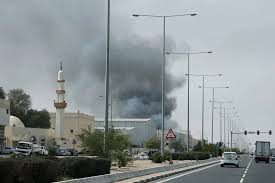
On March 2, 2026, Qatar reported intercepting Iranian missile attacks that targeted civilian infrastructure, including the national airport, according to a foreign ministry spokesperson. The incident occurred amid heightened tensions following United States and Israeli strikes on Iranian military sites. The Qatari government emphasized that such attacks could not remain unanswered, with Defense Minister Majed Al Ansari stating Qatar is not currently engaging with Iran.
The incident comes as regional security dynamics continue to evolve. With the Gulf Cooperation Council (GCC) states increasingly forming strategic alliances with Western powers, Qatar's position as a neutral regional player has been tested. The country's ability to protect critical infrastructure while maintaining diplomatic neutrality has become a focal point for international observers.
Qatar's defense forces, including the Air Force, have demonstrated advanced capabilities in intercepting aerial threats. Recent reports indicate that Qatar has successfully shot down two Iranian Su-24 fighter jets over airspace, according to defense ministry statements. This action aligns with Qatar's broader strategy of self-defense against perceived threats while preserving its non-aligned stance in regional conflicts.
The international community is monitoring the situation closely, with analysts suggesting that the incident reflects the complex interplay of regional security interests. As Iran continues to develop its military capabilities, the Gulf region faces growing challenges in balancing sovereignty with security concerns. The involvement of major powers like the United States and its allies in regional security matters adds another layer of complexity to the evolving landscape.
Qatar's response to the Iranian missile attacks underscores its commitment to protecting critical infrastructure while navigating its delicate position within the broader Middle Eastern security framework. The country's ability to intercept threats without escalating tensions further demonstrates its strategic preparedness and diplomatic acumen.
With the Gulf region experiencing increased military activity, particularly following recent strikes in Iran, the incident highlights the need for coordinated regional security measures. Qatar's actions have been met with cautious optimism from Western allies, who view the country as a stabilizing force in the region despite its strategic location near major geopolitical interests.
As the conflict continues to unfold, Qatar's role in mediating regional disputes and maintaining security in the Gulf remains crucial. The country's defense policies and military capabilities will likely play a significant role in shaping the future of regional security dynamics in the coming months and years.