US-Israeli Military Operations Expand as Iran Targeted in Gulf Region

Editor 02 Mar, 2026 ... min lectura

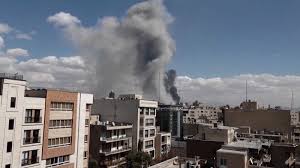
The escalating conflict between the United States, Israel, and Iran has now reached critical stages, with military operations intensifying across multiple regions. On March 1, 2026, the second day of the US-Israeli offensive against Iranian targets, significant strikes were confirmed in Tehran, Beirut, and across the Gulf. These actions, described by multiple international sources as part of a broader strategic shift, have triggered widespread evacuations and heightened regional tensions.

According to reports from the US military, the operation involved coordinated strikes targeting Iranian military facilities and infrastructure. The US Defense Department confirmed that the mission aimed to disrupt Iranian nuclear development programs, though the precise locations of these strikes remain classified. The operation has drawn criticism from several neutral nations, with concerns about unintended consequences for civilian populations in the region.

Israeli forces, operating under a joint command with US intelligence agencies, have reported a significant increase in their operational tempo. On March 1, 2026, Israeli aircraft conducted multiple sorties against Iranian military assets, including radar installations and command centers. The Guardian reported that American warplanes crashed in Kuwait, with all pilots safely evacuated to hospitals, highlighting the risks associated with high-intensity combat operations in the region.

The conflict has rapidly expanded beyond its initial scope, with evacuations reported in Beirut and other Gulf cities. Local authorities in Lebanon have confirmed that civilian infrastructure, including hospitals and transportation networks, are being strained by the influx of displaced persons. The situation in Jerusalem has also become increasingly volatile, with reports of explosions and heightened security measures across multiple neighborhoods.

Analysts suggest that the US and Israel have moved to address perceived threats to regional stability, particularly targeting Iranian activities that they claim are linked to terrorism and military aggression. However, the broader implications of this operation remain uncertain, with experts warning of potential ripple effects across the Middle East.

International diplomatic channels have been activated to mitigate the impact of these military actions. The United Nations has called for calm and de-escalation, emphasizing the need for dialogue to prevent further escalation. The situation continues to evolve as all parties adjust to the rapid pace of the conflict.

The incident has raised critical questions about the effectiveness of current military strategies and the potential for unintended consequences in a highly volatile region. As the conflict continues to unfold, the international community remains focused on finding a peaceful resolution to prevent further destabilization.