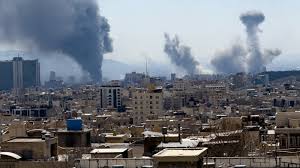
U.S. Central Command confirmed that three American service members have been killed in Operation Epic Fury, a joint U.S.-Israeli military operation targeting Iran. The casualties occurred during the initial phase of the operation, which began on Saturday, February 28, 2026, as part of a broader response to Iran's refusal to reduce its nuclear program. The operation, codenamed Operation Epic Fury, involved coordinated strikes by U.S. and Israeli forces across multiple locations in the Middle East.
The incident has raised concerns about the safety of U.S. personnel operating in high-risk environments. According to military officials, the victims were part of a multi-national team deployed to support the operation. Their deaths highlight the risks associated with military operations in contested regions, particularly when involving complex international alliances.
Operation Epic Fury was launched following Iran's refusal to comply with U.S. demands to reduce its nuclear activities. The U.S. government has not yet confirmed the exact cause of death for the service members, though military sources suggest the casualties occurred during a targeted strike on Iranian military facilities. The operation itself has been described as a 'precision strike' aimed at disrupting Iranian military capabilities.
The attacks have triggered a significant diplomatic response. Iran has retaliated with strikes against multiple cities in the region, including Jerusalem and other key locations. Iranian state media reported that Supreme Leader Ayatollah Ali Khamenei was dead, though this claim has been widely disputed by multiple sources, including the U.S. government and international observers. The situation remains fluid, with ongoing reports of casualties and shifting political dynamics.
The U.S. military has emphasized the importance of protecting its personnel during high-intensity operations. Commanders have stated that the casualties are a result of the complex nature of the operation, which involves multiple phases and targets across different regions. The operation continues to be a focal point for international tensions, particularly between the United States and Iran.
Analysts suggest that the operation has broader implications for regional stability. With Iran's nuclear program remaining a critical concern, the U.S. and its allies are under pressure to find a diplomatic solution to the crisis. The incident underscores the challenges of military intervention in a region where nuclear threats and geopolitical rivalries are deeply entrenched.
As the operation progresses, the U.S. government has called for increased coordination with international partners to ensure the safety of personnel and the effectiveness of the operation. The incident also highlights the need for better intelligence sharing and more precise targeting to minimize unintended consequences.