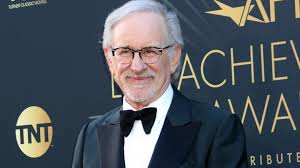
Steven Spielberg's Unintentional Product Placement in E.T.: The Reese's Pieces Story

Editor 02 Mar, 2026 ... min lectura

When film enthusiasts reflect on Steven Spielberg's 1982 masterpiece "E.T. the Extra-Terrestrial," few consider the accidental yet iconic moment where Reese's Pieces candy becomes a pivotal element in the film's narrative. This seemingly minor detail in a blockbuster science fiction story has since become a fascinating case study in unintentional product placement within cinema history.

According to a detailed account from Tasting Table, Spielberg's team originally did not intend for Reese's Pieces to feature prominently in the film. The scene where young Elliott (played by Henry Thomas) collects the colorful, chunky candy from the woods to attract E.T. represents a perfect example of how a simple, everyday object can become a cultural phenomenon. The decision to include this scene was not part of any marketing campaign but rather an organic choice that emerged during the film's production.

What makes this moment particularly interesting is how it illustrates the delicate balance between artistic vision and unintentional branding. Spielberg's team had no contractual agreement with any food brand, yet the scene became a defining moment in the film's legacy. This was not a planned product placement strategy but rather an organic moment that the filmmakers simply couldn't resist including in their story.

The significance of this scene extends beyond mere trivia. It highlights how even the most carefully crafted cinematic narratives can incorporate elements that become part of the film's enduring identity. The scene with E.T. and the candy has since been referenced in countless films, social media posts, and even real-life events, demonstrating how a single, seemingly insignificant detail can have a lasting impact on popular culture.

As the film's popularity grew, so did the recognition of this unintentional product placement. Film historians have since noted that the scene with the candy has become a symbol of the film's charm and authenticity, showing how the filmmakers' genuine approach to storytelling can sometimes result in moments that resonate more deeply with audiences than carefully planned marketing strategies.

The story of how this scene came to be is particularly compelling. It was not a marketing decision but rather a spontaneous choice that was made during the development of the film. The filmmakers had no intention of incorporating the candy into the narrative, but as they worked on the script, they found themselves including it as a natural element within the story.

Interestingly, the scene has since become a staple in discussions about the intersection of food culture and cinema. Film scholars have noted that the inclusion of the candy reflects a broader cultural shift toward more organic storytelling, where the natural integration of everyday elements can enhance the narrative without the need for explicit marketing.

Today, this moment is celebrated as a testament to the power of spontaneous creativity. It serves as a reminder that sometimes, the most impactful moments in cinema are not the result of meticulous planning but rather the result of a filmmaker's genuine connection to their audience.