MotoGP 2026 Thai Grand Prix: Key Schedule Breakdown and Strategic Implications

Editor 01 Mar, 2026 ... min lectura

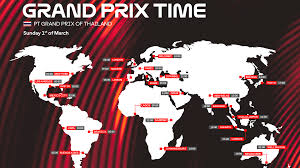
As MotoGP enters its 2026 season with the Thai Grand Prix in Buriram, the race weekend presents a critical juncture for teams and riders to refine strategies and adapt to evolving competition dynamics. The opening event of the 2026 campaign, held at the 1.672-kilometer track in Buriram, Thailand, features a meticulously structured schedule designed to maximize both technical preparation and strategic opportunities for all participants. This comprehensive analysis explores the implications of the Thai GP schedule on the broader season trajectory, highlighting how each phase contributes to the overall competitive landscape.

Thursday marks the beginning of the weekend with the MotoGP Media Day in Buriram, a pivotal moment where teams and riders prepare for the upcoming races. The press conference, featuring last season’s top three riders—Marc Marquez (Ducati Lenovo Team), Alex Marquez (BK8 Gresini Racing MotoGP), and Marco (unspecified team), provides crucial insights into upcoming challenges and potential shifts in the championship standings. This event serves as a strategic platform for teams to showcase their technical capabilities and address potential issues before the race begins.

The Thai Grand Prix 2026 schedule is structured to optimize performance across multiple disciplines, with the race weekend spanning from Thursday to Sunday. The opening race on Friday, followed by the main event on Sunday, creates a unique opportunity for teams to test their equipment and strategies under varying conditions. This scheduling allows for continuous data collection and adaptation, which is essential in a sport where even minor adjustments can significantly impact outcomes.

One notable aspect of the 2026 Thai GP is the potential for significant technological advancements in track preparation and vehicle dynamics. As the season progresses, teams will focus on optimizing their setups for the specific challenges of the Buriram circuit, which has a unique configuration that influences aerodynamics and tire management. This phase is critical for establishing a strong foundation for the entire season.

The strategic implications of this weekend’s events extend beyond immediate race outcomes. The Thai GP schedule is designed to facilitate the implementation of new regulations and technologies, ensuring that all competitors can adapt to the evolving standards of the sport. This event also highlights the importance of strategic planning in high-stakes racing environments, where precision and foresight determine success.

As the season progresses, the Thai GP will play a pivotal role in identifying emerging talent and reshaping the competitive landscape. With the inclusion of new teams and technologies, the 2026 season promises to be one of the most dynamic and transformative periods in MotoGP history.