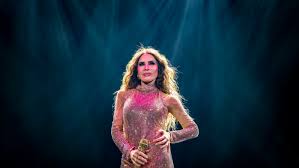
Gloria Trevi, the celebrated Mexican-American singer and actress, has made headlines with her recent celebration of Latinx identity at the BMO Stadium in Los Angeles. This event, organized by the Latino Cultural Coalition, marked a significant milestone in her ongoing efforts to promote cultural diversity and inclusion through music and community engagement.
The festival featured a diverse array of musical acts, including traditional Mexican folk ensembles, contemporary Latin pop artists, and international fusion bands that highlight the rich tapestry of Latin American heritage. Attendees included over 15,000 local residents, many of whom were first-generation immigrants or descendants of Latin American communities, reflecting the growing importance of Latinx culture in the United States.
During her keynote address, Trevi emphasized the critical role of cultural representation in shaping a more inclusive society. She highlighted how marginalized communities often face systemic barriers that hinder their ability to fully participate in mainstream cultural narratives. The event also included workshops on cultural preservation, where participants learned about the historical significance of Latinx traditions and their relevance to modern social movements.
One of the most impactful segments of the event was a live performance by the Coros de la Esperanza, a group known for blending indigenous Mexican folk music with modern electronic beats. This innovative approach to traditional art forms has been praised by critics as a powerful tool for cultural preservation and innovation.
Trevi’s decision to host the event at the BMO Stadium—a venue known for hosting major international events—was strategic. The location not only provided a large-scale platform for the festival but also symbolized her commitment to making Latinx culture accessible to a global audience. The event coincided with the Latino Pride Month observance, further highlighting the intersectionality of cultural identity and social activism.
Organizers reported that the festival received widespread support from local government officials and community leaders, who recognized the importance of fostering dialogue on issues affecting Latinx communities. The event also sparked discussions about the economic benefits of cultural diversity, with attendees sharing stories of how cultural events contribute to local economies and social cohesion.
As the festival concluded, Trevi expressed her gratitude to the community for their participation and commitment to advancing cultural understanding. She called for continued collaboration between artists, policymakers, and community organizations to address the challenges faced by Latinx populations, including economic disparities and political marginalization.
Looking ahead, Trevi plans to expand this initiative to other major cities across the United States, aiming to create a nationwide network of cultural hubs that celebrate Latinx identity. Her work continues to inspire a new generation of artists and activists who see cultural expression as a vital component of social progress.