Trump Ally Expands Probe into Former Officials Who Investigated the President

Editor 28 Feb, 2026 ... min lectura

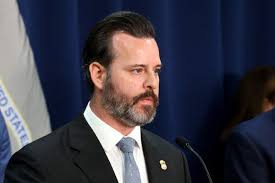
President Donald Trump’s handpicked U.S. attorney for the District of Southern Florida, Jason Reding Quiñones, has intensified his legal actions against former officials who conducted investigations into Russian interference in the 2016 presidential election. This move follows a broader pattern of targeting individuals previously linked to intelligence operations that concluded in January 2017 that Russia sought to influence the election in Trump’s favor.

The inquiry, spearheaded by Quiñones, focuses on former officials involved in the 2017 intelligence community assessment that Russia attempted to tip the election. This effort aligns with Trump’s longstanding push for a so-called 'grand conspiracy' narrative, which has been a recurring theme in his legal and political strategy. The probe targets individuals who, according to the 2017 report, identified Russian interference as a potential factor in the election outcome.

Quiñones, who has been described as a 'hardliner' by some legal analysts, has expanded his subpoena power to include high-profile figures such as former CIA Director John Brennan and other intelligence officials. His actions have drawn attention to the intersection of presidential influence, intelligence operations, and political accountability. Critics argue that this expansion could set a precedent for broader challenges to federal oversight mechanisms.

Legal experts note that the probe is part of a larger trend of political actors leveraging legal tools to address perceived threats. However, the implications of targeting individuals who were part of a pre-existing intelligence assessment raise questions about the balance between national security and civil liberties. The Department of Justice has not yet issued a formal response to the inquiry, leaving the scope of the investigation open to further developments.

The expansion of the probe reflects a growing emphasis on politically motivated legal actions in the U.S. justice system. Supporters of the move argue that it is necessary to hold accountable those who may have been complicit in a coordinated effort to undermine the election integrity. Opponents, however, warn that the tactics could lead to overreach and erosion of due process.