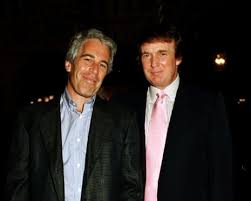
As a result of the ongoing scrutiny surrounding former President Donald Trump’s connections to Jeffrey Epstein, a major controversy has erupted over claims made by Fox News host Kayleigh McEnany, who served as the Trump administration’s first-term White House press secretary. McEnany recently claimed, without factual basis, that unlike Bill Clinton, President Trump was never on Jeffrey Epstein’s private jet. This statement has been widely criticized as misleading and inaccurate, given the historical context of Trump’s alleged ties to Epstein.
The statement by McEnany, made during an on-air discussion about Clinton’s testimony regarding his ties to Epstein, has drawn immediate backlash from experts and former government officials. Former State Department spokesperson Marie Harf highlighted the discrepancy, stating that Trump should also be questioned for his potential connections to Epstein, referencing a list of prominent individuals including Larry Summers and Bill Gates. This exchange underscores the complexity of the ongoing investigation into Trump’s alleged associations with Epstein, a high-profile sex offender who operated a private jet network.
Multiple sources confirm that Trump and his allies have previously been linked to Epstein through various channels, including private jets and financial transactions. The controversy has intensified as the public becomes increasingly aware of the historical context of Trump’s interactions with Epstein, which have been documented by multiple entities, including the U.S. Department of Justice and congressional committees. The misinformation spread by McEnany has raised concerns about the accuracy of statements made by political figures and their role in shaping public perception of sensitive political matters.
Analysts argue that the episode highlights the challenges of maintaining factual accuracy in political communications, especially when discussing high-profile legal cases involving former presidents and their alleged ties to controversial figures. The implications of this misinformation could extend beyond the immediate context, affecting public trust in media outlets and the broader political landscape.
The incident also reflects the growing role of social media in disseminating unverified information, particularly in the context of ongoing investigations into Trump’s alleged connections to Epstein. As the public continues to engage with these topics, the need for rigorous fact-checking and transparency becomes increasingly critical.
Experts emphasize that the controversy surrounding Trump’s ties to Epstein remains unresolved and requires thorough investigation by independent authorities. The misstatements by McEnany have not only raised questions about the reliability of Fox News’ reporting but also about the broader implications of misinformation in political discourse.
The situation has sparked a wider discussion about the role of media in addressing misinformation and the importance of accurate reporting in high-stakes political contexts. With the public increasingly relying on social media and news platforms for information, the potential for further confusion remains a significant concern.