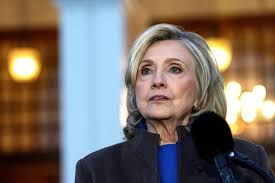
Hillary Clinton's Deposition Testimony: No Epstein Ties, Critical of GOP Handling

Editor 27 Feb, 2026 ... min lectura

Former Secretary of State Hillary Clinton delivered a pivotal deposition testimony before the House Oversight Committee on February 26, 2026, addressing allegations of connections to Jeffrey Epstein and his associate Ghislaine Maxwell. During her approximately six-hour session, Clinton firmly stated that she has no recollection of ever meeting Epstein, a claim that directly contradicts recent claims by other high-profile individuals linked to the late financier.

Clinton's testimony highlighted her lack of awareness regarding Epstein's activities, emphasizing that she had 'no idea about their criminal activities' and described her absence from Epstein's operations as a matter of historical distance. The former Secretary of State maintained that her testimony would provide no new information about the investigation, which has drawn significant attention from lawmakers focused on the ongoing probe into Epstein's network.

The deposition occurred amid heightened scrutiny over the House Oversight Committee's investigation into Epstein's ties, particularly following revelations about Maxwell's alleged involvement in facilitating connections between Epstein and high-profile individuals. Clinton's testimony underscored the complexity of the investigation, as well as the challenges of verifying historical claims about personal connections.

Context of the Deposition

Clinton's testimony took place during a critical phase of the House Oversight Committee's examination of Epstein's network, which has expanded to include numerous prominent figures across multiple political and social spheres. The committee's focus on Epstein's activities has intensified due to the potential implications of his financial and sexual networks, which have been linked to numerous high-profile cases.

While Clinton's statements about not knowing Epstein have been met with skepticism by some members of Congress, the testimony also revealed her perspective on the GOP's handling of the investigation, which she criticized as 'inadequate' and 'disorganized.' This criticism comes as the committee seeks to establish clear protocols for addressing potential connections between public figures and Epstein's operations.

Implications for Future Investigations

Analysts suggest that Clinton's testimony could set a precedent for how future investigations into high-profile individuals' connections to Epstein will be conducted, particularly in light of the growing evidence linking Epstein to a broader network of financial and social elites. The testimony also highlights the challenges of verifying historical claims about personal interactions, which often rely on fragmented and incomplete records.

The committee's next steps may involve deeper forensic analysis of digital and physical evidence, including communications and financial records, to determine whether there are any legitimate connections between Clinton and the Epstein network. However, Clinton's insistence on her lack of awareness has raised questions about the thoroughness of the investigation's initial phase.

Challenges in Establishing Historical Context

One significant challenge in the deposition process is the difficulty of verifying historical claims about personal interactions, especially when the individuals involved have been active in high-profile roles for decades. Many people who claim to have known Epstein have been unable to provide specific details about their interactions, leading to a reliance on circumstantial evidence and anecdotal accounts.

Clinton's testimony has been interpreted by some as a critical moment in the investigation's timeline, with observers noting that her statements could help clarify the timeline of events and provide a more accurate historical record of her activities during the relevant period.