Precision in Fluid Dynamics: Industry's Shift Toward Advanced Pump Technologies

Editor 25 Feb, 2026 ... min lectura

The global pumps for liquids market is poised for a decade of steady growth, with a projected 2.0% volume compound annual growth rate (CAGR) from 2024 to 2035. This growth trajectory, as highlighted by recent industry analyses, underscores a critical shift in the industrial sector toward more precise and efficient fluid handling solutions. As manufacturing processes demand higher accuracy and reliability, the adoption of advanced pump technologies like metering pumps and internal gear pumps is accelerating across diverse industrial applications.

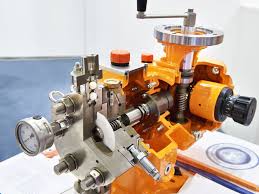
One key driver of this transformation is the increasing need for precise fluid dosing in critical industries such as pharmaceuticals, food and beverage, and chemical manufacturing. Metering pumps, which deliver highly accurate and consistent fluid quantities, are becoming indispensable in processes where even minor deviations can lead to significant quality or safety issues. For example, in pharmaceutical production, where drug efficacy and patient safety are paramount, the precision of fluid dosing directly impacts the final product's safety and regulatory compliance.

Another significant trend is the integration of industrial automation with pump systems. Modern pump technologies are increasingly being embedded within broader automation frameworks, enabling real-time monitoring, predictive maintenance, and optimized operational efficiency. This synergy between automation and fluid dynamics is not only reducing operational costs but also enhancing productivity and sustainability across manufacturing environments.

Chromium acid pumps, a specialized subset of liquid handling equipment, are also gaining attention due to their role in high-concentration chemical processes. While these pumps are less common in everyday applications, they are crucial for handling aggressive chemicals and maintaining process safety in industries such as heavy industry and mining. Their growing adoption reflects the broader industry move toward robust and durable solutions for challenging fluid environments.

The market outlook for pumps for liquids, as detailed in recent reports, indicates a steady expansion in both volume and value. This growth is driven by factors such as rising demand for energy-efficient equipment, stricter regulatory requirements, and the need for enhanced safety standards in industrial operations.

Challenges remain in the adoption of advanced pump technologies. High initial costs, the complexity of integration with existing systems, and the skill gap in specialized maintenance are significant barriers for many manufacturers and operators. Addressing these challenges will require strategic investments in training, technology adaptation, and collaborative efforts between equipment suppliers and end-users.

Looking ahead, the future of pump technologies will likely be shaped by further advancements in materials science, digital integration, and the increasing focus on sustainable manufacturing practices. As industries continue to prioritize precision and efficiency, the role of advanced pump systems in enabling complex industrial processes will become even more critical.