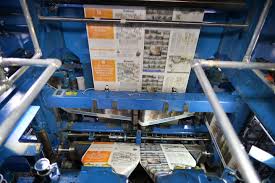
For over 150 years, The Boston Globe has been a cornerstone of New England’s media landscape, consistently delivering daily newspapers despite the region’s unpredictable weather. However, in a historic move, the publication has decided not to print a physical copy for delivery on February 24, 2026, due to an unprecedented blizzard. This decision, made by management after assessing the impact of a massive nor’easter, marks the first time in the newspaper’s 153-year history that a print edition has been canceled. The decision was not taken lightly, as the Globe’s press team has traditionally faced challenges such as equipment malfunctions and the global pandemic, but this time, the scale of the storm was simply too severe to overcome.
The storm, described as a ‘massive nor’easter,’ brought more than two feet of snow across parts of New England, with some areas in Massachusetts and Rhode Island receiving nearly three feet. The impact was particularly severe in the town of Taunton, home of the Globe’s printing press. Local news outlets reported that roads were impassable, and emergency services were stretched thin, making it impossible for the press team to reach the facility safely. The decision to halt printing came after a review of the conditions, which included high winds, extreme cold, and the sheer volume of snow that made transportation and equipment movement dangerous.
Employees at the Globe’s printing facility in Taunton have been working closely with local authorities to clear critical infrastructure, but the sheer scale of the blizzard has rendered the operation impossible. The print team’s response to the crisis has been to prioritize safety over production, a decision that reflects the growing challenges faced by traditional print media in an increasingly volatile climate. This incident highlights the critical intersection of weather events and the operational resilience of long-standing institutions.
While the decision has been met with mixed reactions, some readers have expressed concern about the impact on their ability to access timely news, while others have highlighted the importance of prioritizing safety over deadlines. The Globe’s management has emphasized that this was a last-resort decision, made after multiple failed attempts to secure safe conditions for the printing process. The newspaper’s history of adaptability, from navigating the pandemic to maintaining operations through extreme weather, has been a key factor in the decision-making process. The impact of this decision will be closely monitored as the storm dissipates and the printing process resumes.
The situation underscores the evolving nature of news delivery in the digital age, where the traditional print model is increasingly strained by environmental and logistical challenges. As climate change continues to intensify weather patterns, the resilience of legacy media organizations will be critical in ensuring their continued relevance and service.