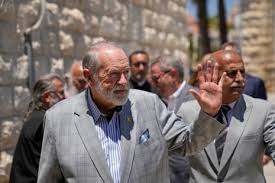
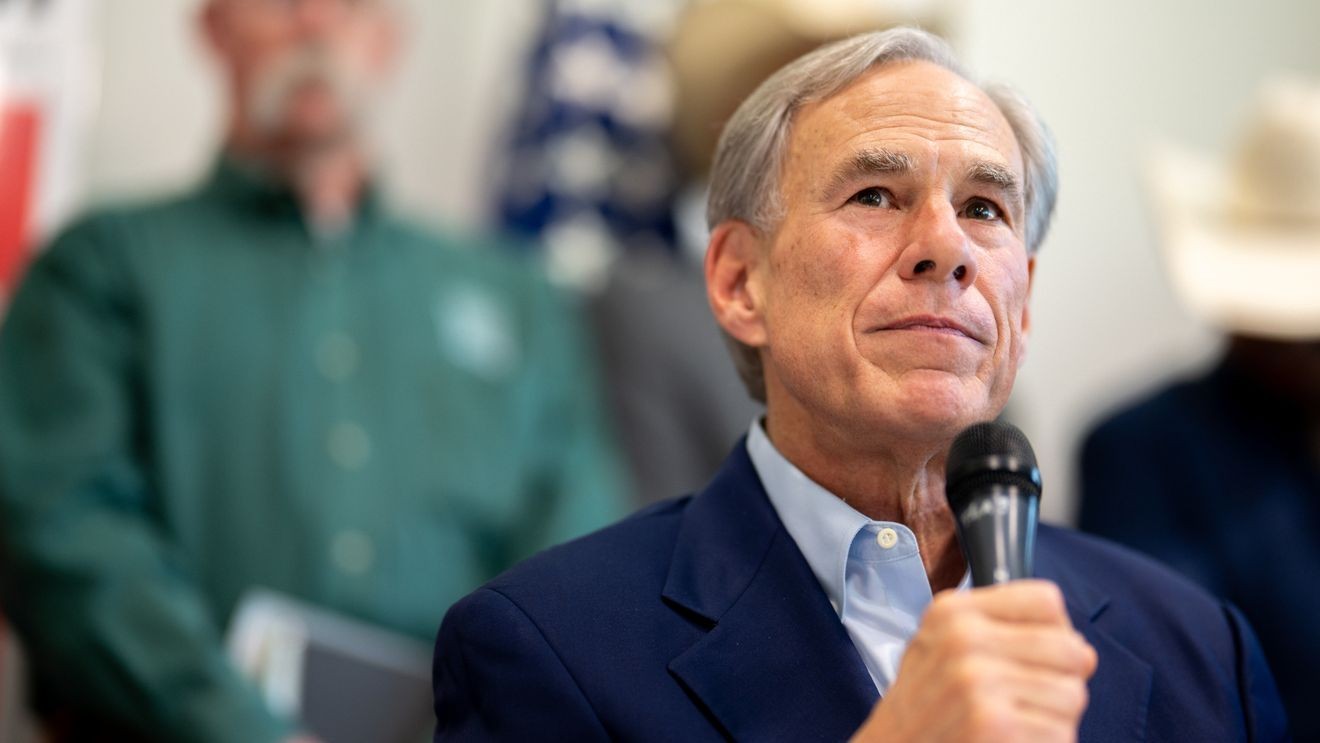
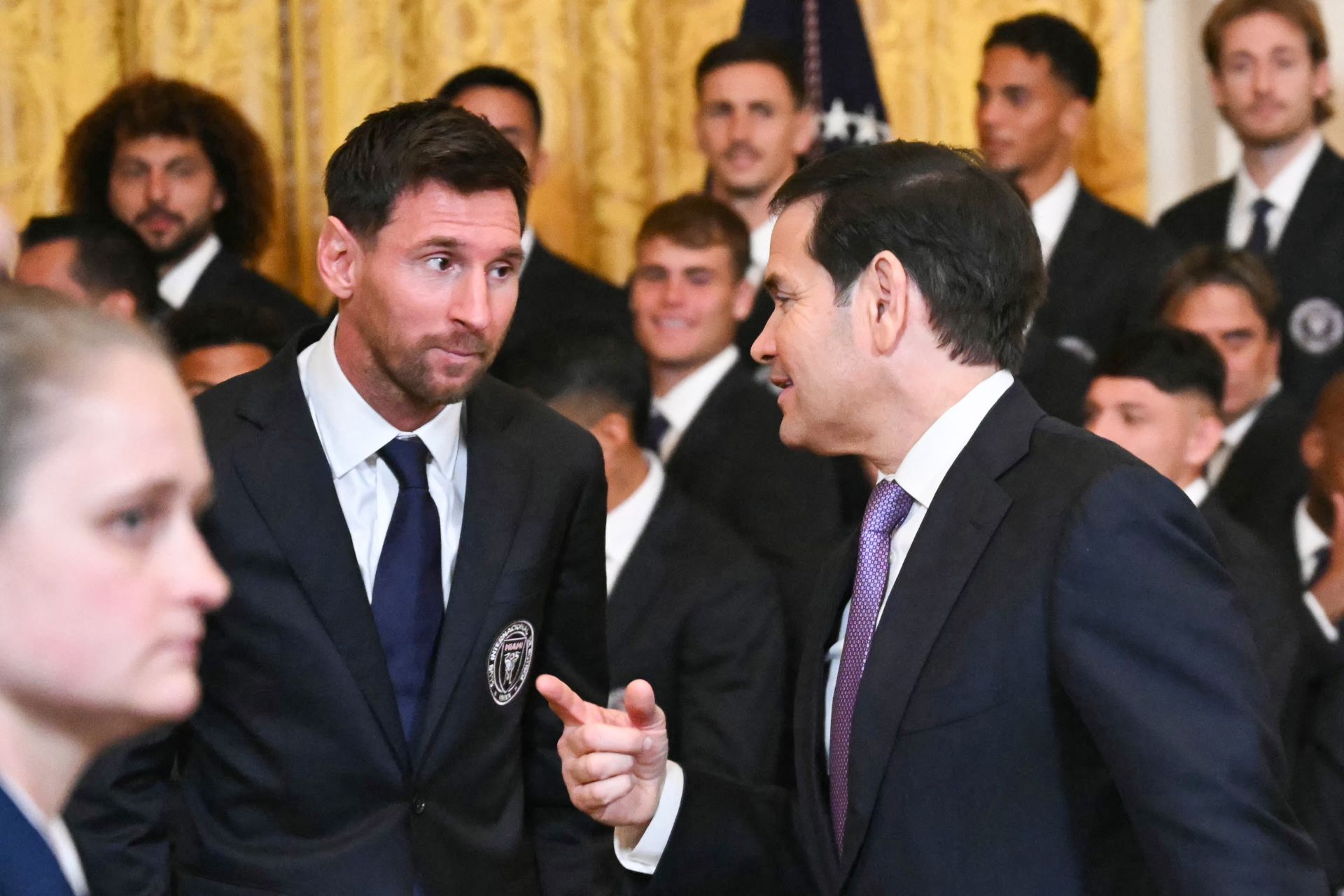
US Ambassador to Israel Mike Huckabee’s recent remarks about Israel’s biblical right to the Middle East have ignited widespread condemnation from Arab and Islamic governments, sparking a diplomatic firestorm that threatens to strain ties between the United States and key regional stakeholders. The comments, made during a segment on Tucker Carlson’s podcast, have been widely labeled as 'dangerous' by multiple nations, including the United Arab Emirates and Saudi Arabia, which issued a joint statement denouncing the remarks as a threat to regional stability.
The controversy centers around Huckabee’s claim that Israel possesses a 'biblical right' to a vast portion of the Middle East, a statement that has been met with immediate backlash from the International Islamic Federation of Asia and the Middle East. The remarks, which were made in a context of heightened tensions in the region, have been criticized for undermining diplomatic efforts to address the Israeli-Palestinian conflict through peaceful means.
U.S. officials have yet to comment publicly on the remarks, though a spokesperson for the State Department has stated that the administration is 'reviewing' the situation. The incident highlights the challenges of maintaining a consistent foreign policy stance when dealing with sensitive geopolitical issues, particularly those involving religious and historical narratives.
The backlash has intensified as critics argue that such statements risk normalizing the occupation of Palestinian territories under the guise of biblical entitlement. Advocates of the Israel-Palestinian peace process emphasize that such rhetoric has no place in international diplomacy, where dialogue and mutual respect are paramount.
Analysts suggest that Huckabee’s comments reflect a growing divide between the U.S. government’s approach to the Middle East and the evolving expectations of regional actors. While the U.S. has historically supported Israel’s security interests, the current remarks have been seen as a departure from previous diplomatic strategies, raising questions about the long-term implications for U.S. foreign policy in the region.
The situation has also drawn attention to the role of religious rhetoric in shaping foreign policy decisions. With the U.S. playing a pivotal role in Middle Eastern affairs, the implications of such statements could extend beyond immediate diplomatic tensions, potentially affecting future negotiations on the Israeli-Palestinian conflict and regional security.
Regional leaders have called for a more nuanced approach to the Middle East, stressing the importance of addressing the root causes of conflict rather than relying on historical or religious justifications for territorial claims. The incident underscores the need for careful communication and alignment with regional partners in navigating complex geopolitical landscapes.