Ben Sasse: Reflections on Mortality, Meaning, and America's Future

Editor 21 Feb, 2026 ... min lectura

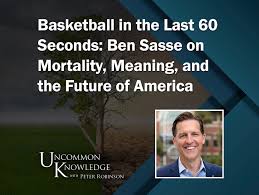
Ben Sasse, a prominent figure in American politics and public discourse, recently shared profound insights following his stage 4 cancer diagnosis. His reflections on mortality, meaning, and the future of America have sparked widespread attention and discussion. This interview, conducted by the Hoover Institution, delves into how his personal experience with terminal illness has reshaped his perspective on life, faith, and national challenges.

From Political Leader to Personal Struggle

After being diagnosed with stage 4 cancer, Sasse has turned his focus toward addressing the critical issues facing the United States. His journey from a high-profile political figure to a man confronting life's most urgent questions offers a unique lens through which to examine the intersection of personal adversity and national leadership.

The Weight of Mortality in Public Life

Sasse emphasizes the importance of confronting mortality head-on, arguing that understanding death is essential for making meaningful contributions to society. In an interview, he stated, 'The reality of our finite lives should compel us to act with urgency and purpose.' This perspective challenges the typical political rhetoric that often avoids direct engagement with mortality, highlighting a stark contrast between the transient nature of human existence and the enduring nature of societal problems.

Meaning Beyond the News Cycle

Amidst the relentless pace of modern politics, Sasse advocates for a deeper engagement with meaning and purpose. He critiques the 'attention-starved' nature of contemporary American politics, where quick fixes and short-term gains often dominate discussions about long-term challenges. His call for a more thoughtful approach to governance and civic engagement reflects a growing concern among policymakers about the erosion of meaningful dialogue.

Implications for National Leadership

As Sasse navigates his personal health crisis, he also examines the broader implications for national leadership. He argues that leaders must confront mortality to foster genuine connection and accountability. This shift in perspective could redefine how leaders approach governance, emphasizing the need for humility and transparency in decision-making processes.

Conclusion: A Call for Renewal

Ben Sasse’s story underscores the critical need for a reevaluation of how leaders address mortality and meaning in public life. His reflections offer a powerful reminder that personal struggles can lead to transformative insights for national discourse. As he continues his journey, Sasse’s insights provide a valuable framework for understanding the role of mortality in shaping meaningful and impactful leadership.