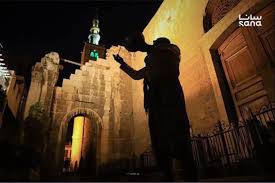
The Enduring Resonance: How Mesaharaty Drummers Keep Syrian Ramadan Alive Amidst Political Turmoil

The mesaharay, a traditional Syrian practice dating back to the Ottoman era, has become a vital cultural lifeline for communities in conflict zones like Syria. Unlike modern digital communication, this auditory ritual connects generations through the rhythmic beats of drums and flutes that echo through alleyways at the precise moment of suhoor—the pre-dawn meal before fasting begins.

Originating in Damascus, this tradition involves individuals known as 'mesaharaty' who traverse narrow streets at the late hours of the night, carrying either a drum or a flute. Their purpose is to gently awaken the fasting community with rhythmic calls that blend religious invocations with melodic chants. A typical invocation might begin with 'Wake up, sleeper, there’s no God but Allah the Everlasting' or 'Isha ya Sayem, Wahed Allah' (Wake up, O fasting one, proclaim the Oneness of God). This practice ensures that communities remain connected to their religious and cultural heritage even amid displacement and political instability.

Despite the complexities of modern life and the challenges of living in a country where infrastructure is often disrupted, the mesaharaty tradition has adapted to changing circumstances. In areas affected by conflict, these drummers have become essential for maintaining a sense of normalcy and continuity. Their role is not merely to wake people up but to create a spiritual and communal bond that transcends the physical barriers of war.

The mesaharaty’s role in contemporary Syria is deeply intertwined with the country’s historical and cultural identity. This tradition, which has been practiced for centuries, provides a unique form of social cohesion in a time of uncertainty. While the government may not officially recognize it, this practice remains a powerful tool for preserving the intangible heritage of the nation.

One of the most significant aspects of this tradition is its ability to adapt to different environments. In cities like Aleppo and Homs, where conflict has displaced many families, mesaharaty have been instrumental in keeping the community connected to its roots. The ritual has evolved to include elements that resonate with the current realities of life, such as emphasizing the importance of family and community in times of crisis.

For many Syrians, the mesaharaty ritual is more than just a ritual—it’s a symbol of resilience. As the world changes and new challenges emerge, this tradition continues to evolve, ensuring that the message of faith and community remains alive. The mesaharaty’s calls, though simple in form, carry profound meaning for those who rely on them for both spiritual and practical reasons.

The mesaharaty’s practice also highlights the importance of oral history and intangible cultural heritage. In a world where digital records are often lost, this tradition provides a living link to the past. It helps communities remember their history and maintain a sense of continuity even in the face of destruction and displacement.

As the mesaharaty continues to evolve, it remains a powerful example of how cultural practices can persist despite external pressures. While the government may not officially recognize this tradition, it is deeply embedded in the daily lives of many Syrians, serving as a reminder of the enduring nature of cultural identity and resilience.

Share Article