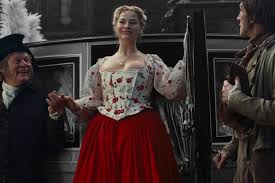
Wuthering Heights 2026 Film Adaptation Sparks Global Debate Over Its Unapologetic Depiction of Toxic Love

The 2026 film adaptation of Emily Brontë’s 1847 novel Wuthering Heights has ignited a worldwide discourse on its portrayal of toxic, yet unforgettable, romantic relationships. Critics and fans alike are divided over whether the film’s bold reimagining of the novel’s infamous characters — particularly the intense, almost violent passion between Catherine Earnshaw and Heathcliff — is a respectful homage to the original work or a reckless departure from its literary roots.

Directed by a team known for their commitment to visual storytelling, the film takes a notably darker turn from the novel’s original tone. While Brontë’s work is often praised for its emotional depth and moral complexity, the 2026 version intensifies the psychological turmoil and emotional volatility of its characters, resulting in a narrative that some describe as unapologetically raw and unfiltered. This approach has drawn both praise and criticism, with many viewers arguing that the film’s refusal to sanitize the characters’ chaotic behavior reflects a modern understanding of mental health and trauma.

The controversy centers around the decision to portray Heathcliff as a deeply troubled individual whose actions drive the story’s central conflict. Some critics praise the film for its willingness to confront the darker aspects of human nature, while others claim it oversimplifies the complexities of love and power dynamics. The debate has become a cultural touchstone, with social media platforms teeming with discussions about whether the film’s unflinching portrayal of emotional chaos is a necessary evolution of the classic or a dangerous misrepresentation of the original text.

One of the film’s most striking elements is the use of the moors as a metaphor for emotional turbulence. The film’s visual language, including sweeping shots of the Yorkshire countryside and the characters’ interactions, creates a powerful sense of isolation and desperation. This artistic choice has been widely praised for its ability to evoke the novel’s original themes of class conflict, social alienation, and the destructive nature of obsession.

Despite the backlash, the film’s production team has consistently emphasized their intent to honor Brontë’s legacy while addressing contemporary issues such as mental health and the cyclical nature of trauma. The film’s creators have stated that their version of Wuthering Heights is a direct response to modern audiences’ growing awareness of how love can be both a source of strength and destruction.

As the film’s global release approaches, the debate over its interpretation of the original novel continues to evolve. With its emphasis on psychological realism and unfiltered character development, the 2026 adaptation promises to be a landmark moment in cinematic history, though its place in the annals of film criticism remains to be seen.

Share Article