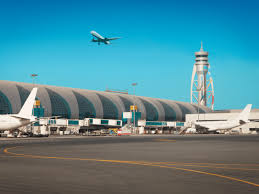
Dubai Flights Face Surge in Cancellations and Delays Amid Regional Airline Disruptions

Editor 20 Feb, 2026 ... min lectura

Dubai's aviation sector is experiencing a significant uptick in flight cancellations and delays across multiple airports, including Dubai International (DXB), Cairo, and King Khalid International (KHX) in Saudi Arabia. Recent data indicates that over 549 flights have been delayed and nine airlines have canceled services in the region, with major players such as Emirates, Flydubai, Saudia, Air India, and IndiGo directly impacted. This disruption has left thousands of passengers stranded across the United Arab Emirates, Egypt, and Saudi Arabia, creating a complex logistical challenge for international travelers.

Analysis of the latest reports from travel industry sources and airport authorities reveals that the primary cause of these disruptions is a combination of severe weather conditions, unexpected operational challenges, and a sudden surge in passenger volumes. For instance, the recent heavy rainfall across the Gulf region has triggered cascading effects on flight schedules, with airports in Dubai, Cairo, and Riyadh reporting significant operational delays. Additionally, several regional airlines, including KLM, have begun implementing limited service routes to the city, reflecting a strategic shift in their operational planning.

One of the most notable impacts has been the stranded passengers scenario, where travelers from multiple countries find themselves unable to complete their intended journeys. In particular, the 9 canceled flights by airlines like Emirates and Flydubai have disrupted the already complex travel ecosystem in the Middle East. The situation is exacerbated by the fact that these airports serve as critical hubs for regional connectivity, with Dubai acting as a key transit point for flights to and from Europe, Africa, and Asia.

Travel experts emphasize that this incident highlights the vulnerability of the aviation sector to external factors such as weather and sudden changes in demand. The 549 delayed flights have created a ripple effect, affecting not only the immediate destinations but also the broader regional transportation networks. This is especially concerning given the high volume of international travelers who rely on these routes daily.

As the crisis unfolds, airlines are taking steps to mitigate the impact. Emirates, for example, has activated a contingency plan to reschedule affected passengers to alternative routes, while regional partners like Flydubai and Saudia are working to restore normal operations as quickly as possible. However, the scale of the problem is significant, with over 500 flights affected in a single week, indicating a potential long-term strain on the regional aviation infrastructure.

Looking ahead, the aviation industry must adapt to these challenges by enhancing predictive capabilities and improving communication channels. The incident underscores the importance of robust contingency planning and real-time data sharing between airlines, airports, and regulatory bodies. Without immediate intervention, the situation could worsen, leading to further disruptions in the critical travel corridor connecting Europe, Africa, and the Middle East.