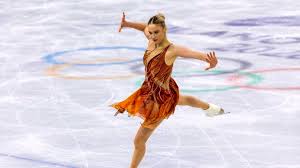
Swiss figure skaters Kimmy Repond and Livia Kaiser have faced significant challenges during the Olympic short program, with both athletes finishing in the lower tiers of the competition. According to the latest updates from the International Olympic Committee, Repond and Kaiser have been positioned at 21st and 23rd places, respectively, after the initial segment of the event. This result has raised questions about their readiness for the upcoming free skate segment, which is critical for securing a podium finish.
Kimmy Repond, a prominent figure in Swiss figure skating, has been preparing for this competition for years. Her journey has been marked by resilience and determination, especially after a recent injury that required medical attention. Despite the setback, Repond has shown a strong commitment to her training and has been focusing on recovery while adapting her performance style to the evolving demands of elite competition. The short program results indicate that her efforts are not yet fully aligned with the technical and artistic standards required to achieve top placements.
The impact of this setback is significant for both skaters. In a highly competitive field, even minor deviations from the expected performance can lead to substantial drops in rankings. Repond and Kaiser’s positions suggest that they are still working to refine their technical skills and artistic expression, which are crucial components of successful figure skating. The short program is often considered the first critical phase of the competition, and their current placement highlights the intensity and unpredictability of Olympic-level figure skating.
Experts in the field emphasize that the short program serves as a foundational step for the entire competition. Skaters must balance technical execution with creative flair, and any deviation from this balance can have immediate consequences. For Repond and Kaiser, the challenge lies in overcoming the physical and emotional toll of their previous injuries while maintaining the high level of performance expected at the Olympic stage. Their ability to adapt to these challenges will determine their success in the upcoming free skate segment.
The broader context of Olympic figure skating involves a dynamic interplay between physical conditioning, mental resilience, and precise technical execution. Repond and Kaiser’s current situation reflects the high stakes and intense pressures that athletes face in elite competitions. Their performance will be closely monitored by coaches, medical staff, and fans alike as they navigate this critical phase of the competition.