Rosie O'Donnell's Secret U.S. Return Trip: A Test of Safety Amid Trump Threats

Editor 17 Feb, 2026 ... min lectura

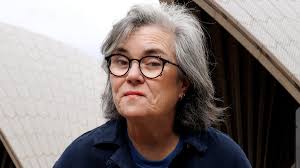
For over a year, Rosie O’Donnell has been living in Ireland after fleeing the United States in January 2024 due to concerns over potential citizenship revocation under President Donald Trump. Her recent secret return to America for two weeks has sparked widespread speculation about her actions and the broader implications of Trump’s policies on foreign nationals with ties to the U.S.

During an interview on SiriusXM’s Cuomo Mornings, O’Donnell revealed she took a calculated risk by briefly reentering the country. "I wanted to feel what it felt like. I wanted to hold my children again. And I hadn’t been home in over a year," she explained. This decision, made without prior notification to her family, highlights the personal stakes she faced after her initial escape to Ireland.

O’Donnell, 63, confirmed she brought her youngest child, Clay, who is 12 years old, to Ireland, but left her four adult children—Parker, Chelsea, Blake, and Vivienne—behind. Her return trip was not just a personal visit but a strategic test of her ability to navigate U.S. entry requirements under the current administration’s policies, which critics argue could have severe consequences for individuals with U.S. citizenship or connections.

The incident underscores the growing concern among critics of Trump’s administration over the potential impact of citizenship revocation policies on foreign nationals. O’Donnell’s case has become a focal point in discussions about the intersection of national security, immigration, and personal rights. Advocates for transparency and individual safety have raised questions about whether such measures are being applied fairly, especially when individuals have legitimate ties to the country they are fleeing from.

Experts suggest that O’Donnell’s actions reflect a broader pattern of individuals using informal channels to assess the safety of their return to the U.S., particularly in the wake of Trump’s administration. The controversy has also highlighted the lack of clear communication channels between the government and citizens who may be affected by sudden policy shifts. This situation has drawn attention from advocacy groups, legal experts, and even international observers who are concerned about the implications of such policies on everyday citizens.

As O’Donnell continues to navigate this complex situation, her story serves as a cautionary tale about the real-world consequences of political decisions. The incident has sparked a national conversation about the need for more transparent and predictable policy implementation, especially for those who may be impacted by sudden changes in government regulations. Her experience also raises ethical questions about the balance between national security and individual safety, a topic that remains contentious in public policy debates.