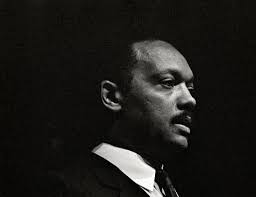
Rev. Jesse Jackson, the prominent civil rights activist, Baptist minister, and two-time presidential candidate, passed away on Tuesday at the age of 84, according to his family. His death marks a significant moment in American history, highlighting the enduring impact of his lifelong commitment to social justice and equality. Known for his pivotal role in the civil rights movement and his advocacy for marginalized communities, Jackson’s legacy continues to influence contemporary social activism and political discourse.
The announcement was made by Jackson’s family, who described him as a "servant leader" who dedicated his life to uplifting the oppressed, voiceless, and overlooked globally. His unwavering belief in justice, equality, and love served as a guiding principle for millions worldwide. The family emphasized that his work extended far beyond family boundaries, creating an extended family of supporters who continue to honor his contributions to humanity.
Jesse Jackson’s career spanned over five decades, beginning with his early involvement in the civil rights movement alongside figures like Martin Luther King Jr. and later evolving into a national political figure. His leadership in initiatives such as the 1980s presidential campaigns, which garnered significant attention and critical acclaim, demonstrated his ability to mobilize diverse groups around common causes. These efforts laid the groundwork for modern progressive movements, emphasizing intersectionality and inclusive policy-making.
Throughout his life, Jackson’s advocacy for racial and economic justice resonated with a global audience, influencing policies and movements across multiple continents. His work with organizations like the National Association for the Advancement of Colored People (NAACP) and his role in shaping the modern civil rights landscape highlight his multifaceted contributions to societal change. The family has expressed gratitude for the global community’s support, noting that Jackson’s influence remains alive through ongoing efforts to address systemic inequities.
Jackson’s impact extends beyond his political and civil rights endeavors. His role as a Baptist minister and his commitment to religious advocacy for social justice were integral to his identity. His ability to bridge religious and political spheres, often through his charismatic oratory and strategic networking, made him a unique figure in American history. The family highlighted his capacity to inspire dialogue on complex issues, from poverty to gender equality, without compromising his core values of compassion and integrity.
Following his death, the family has urged the global community to continue Jackson’s legacy by advocating for policies that address systemic racism, economic disparity, and global human rights. They emphasized the importance of remembering Jackson as a leader who championed the marginalized, the voiceless, and the overlooked, ensuring that his vision of a more just and equitable world endures.