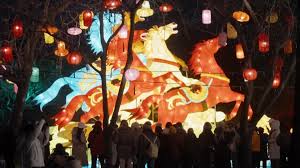
China is preparing for the arrival of the Year of the Metal Dragon, marking the beginning of the Lunar New Year. The celebration, known as the Spring Festival, is a major cultural event that has been observed for thousands of years. This year, the festivities are expected to be larger than ever, with significant travel and economic impacts across the country. According to recent data, China plans to welcome over 2.05 million cross-border trips daily during the Lunar New Year holidays, a figure that highlights the massive scale of this annual tradition. The government has implemented special measures to support the transition and ensure smooth operations for the upcoming period.
The Spring Festival, or Chinese New Year, is traditionally celebrated on the first day of the lunar calendar, which varies each year. This year, it falls on February 17th. As part of the preparations, the Chinese government has decreed nine days of public holidays and extended vacation days to accommodate the influx of travelers and visitors. These measures aim to reduce the strain on transportation and infrastructure during the peak holiday season.
One of the most significant aspects of the Lunar New Year is its cultural importance. The festival is deeply rooted in Chinese history and mythology, with many traditions passed down through generations. The Year of the Metal Dragon is particularly notable for its symbolic meaning, representing strength, resilience, and prosperity. Families gather to prepare for the festival, including making dumplings, red envelopes, and other symbolic foods that carry positive wishes for the new year.
The economic impact of the Lunar New Year is substantial. As a key driver of domestic and international tourism, the festival contributes significantly to the national economy. This year, with the expected increase in travel, businesses are preparing to meet the heightened demand, from hotels to transportation services. The Chinese government has also taken steps to ensure that the transition is smooth, including the expansion of public transportation networks and the promotion of eco-friendly practices to reduce environmental impact.
International participation in the Lunar New Year is growing. Countries around the world are increasingly recognizing the cultural significance of this festival, and many have incorporated elements of the celebration into their own traditions. This global interest is a testament to the universal appeal of Chinese culture and its enduring influence on global traditions.
Looking ahead, the success of the Lunar New Year celebrations will depend on the ability of the Chinese government and private sector to manage the challenges of increased travel and tourism. The government has emphasized the importance of sustainable practices to ensure that the festival remains vibrant without overburdening the environment and local communities.
As the Spring Festival approaches, the country is preparing to welcome millions of people from all over the world, who come to celebrate with families, friends, and local communities. The event serves as a powerful reminder of the cultural richness and historical continuity of Chinese traditions.