Indian Fans' Spiritual Rituals Fuel Hope for T20 World Cup Clash Against Pakistan

Editor 15 Feb, 2026 ... min lectura

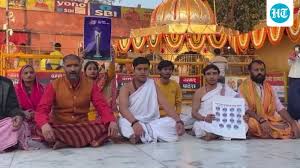
As the ICC Men’s T20 World Cup 2026 heats up, Indian fans are engaging in traditional Hindu rituals like hawan to seek divine blessings for Team India’s victory over Pakistan. This widespread spiritual practice, known as 'hawan,' involves offering prayers and sacred fires to deities, reflecting deep-rooted cultural connections between cricket and Indian religious traditions.

Cricket in India is more than just sport—it's a national phenomenon intertwined with cultural identity. During major tournaments like the T20 World Cup, fans often turn to spiritual practices to amplify their emotional investment in the outcome. The recent match against Pakistan, scheduled for February 15, 2026, has seen fans across the country performing hawan, with communities in Patna, Bihar, and other regions participating in collective prayer ceremonies. These rituals, rooted in ancient Vedic traditions, are seen as a way to invoke positive energy and divine intervention for national pride.

One notable figure in this context is Rinku Singh, an Indian cricketer known for his aggressive batting and dynamic contributions to the team. His sister has publicly expressed her hope that he performs well in the upcoming match, highlighting the personal stakes involved in high-stakes cricket. This connection between individual athletes and their families' spiritual support underscores how deeply cricket is embedded in Indian society.

The phenomenon of fans performing hawan during the T20 World Cup has gained significant attention, particularly due to its timing coinciding with Mahashivratri, a Hindu festival dedicated to Lord Shiva. On this day, devotees believe that prayers are more potent, adding a layer of cultural significance to the match. The convergence of spiritual practices and sports has sparked discussions about the role of tradition in modern Indian life.

Experts in sociology and religious studies note that such practices reflect a complex interplay between modernity and tradition. While T20 cricket has become a global sport, its roots in Indian culture remain deeply personal and community-driven. The use of hawan during this critical match highlights how sports can become a catalyst for cultural expression and communal bonding.

As the match progresses, the emotional and spiritual dimensions of the game are becoming increasingly visible. Fans' rituals not only provide psychological comfort but also reinforce the idea that success in sports is intertwined with cultural identity and collective hope. The T20 World Cup 2026 match against Pakistan is more than just a sporting event—it’s a moment where faith and sport collide, creating a unique cultural moment.