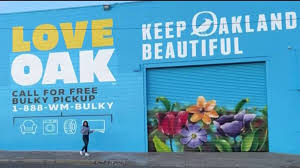
City of Oakland has unveiled a significant initiative aimed at tackling illegal dumping and revitalizing neighborhoods impacted by long-standing environmental and social challenges. The city's new campaign, titled 'Ciudad Limpia' (Clean City), focuses on identifying and eliminating unauthorized waste disposal sites that have plagued the community for years. This effort coincides with Valentine's Day, a strategic timing to engage residents in community improvement.
The initiative marks a pivotal moment in Oakland’s ongoing battle against illegal waste accumulation, which has often led to environmental hazards and public health risks. According to city officials, over 1,200 unauthorized waste sites were identified in the past two years, with many located in low-income and marginalized areas. The 'Ciudad Limpia' program will deploy mobile units to monitor and clean these areas, while also offering incentives for residents who report illegal dumping activities.
Valley Central and other local news outlets have highlighted the intersection of environmental issues and community safety. A recent incident in Weslaco, where a man died in a traffic accident, underscores the broader implications of infrastructure neglect and the need for coordinated urban planning. While this event is unrelated to Oakland’s campaign, it reflects the critical role that city-level interventions play in preventing similar tragedies.
Local leaders emphasize that the 'Ciudad Limpia' initiative is not only about environmental cleanup but also about fostering community engagement and social cohesion. By involving residents in the process, the city aims to create a sustainable model for urban renewal that addresses both environmental and social challenges.
Under the program, residents can report illegal dumping via a dedicated app and receive rewards for their participation. The city has also partnered with local organizations to provide cleanup resources and educational workshops on proper waste disposal. These efforts are expected to yield measurable improvements in neighborhood safety and environmental quality within the next 18 months.
However, critics argue that the initiative may face challenges in reaching marginalized communities, where infrastructure is often underfunded and access to information is limited. Advocates from the community groups working with the city say that transparency and inclusive communication are key to ensuring the program's success.
The 'Ciudad Limpia' initiative is part of a broader strategy to address systemic issues in urban management. With the city's focus on targeted interventions and community involvement, it represents a proactive step toward creating healthier, more livable neighborhoods.