African Union Summit Faces Youth Discontent Amid Calls for Institutional Reform

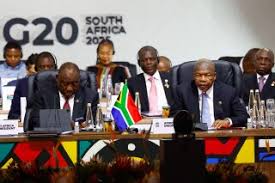
As the African Union (AU) convenes its 48th Executive Council summit in Addis Ababa, Ethiopia, the organization grapples with mounting youth dissatisfaction, labeled by critics as a 'bloc of old leaders' by a generation increasingly disillusioned with traditional governance structures. This pivotal gathering, attended by high-profile figures like South African President Cyril Ramaphosa and AU Chairperson Joao Lourenco, signals a critical juncture for continental integration and democratic accountability.

The AU's role as a continental body spanning 55 member states and over 1.4 billion people has grown increasingly complex amid rising socio-economic challenges, including regional conflicts, climate change impacts, and youth unemployment. With nearly 60% of Africa's population under 30, the demographic shift underscores an urgent need for policies that resonate with younger generations' aspirations for innovation and representation.

At the opening session of the 48th AU Executive Council, Chairperson Juarez emphasized the 'urgency of institutional reform and the imperative of peace and development on the continent.' This statement directly addresses growing internal tensions within the AU, where leadership transitions and governance models are under scrutiny following recent democratic backsliding in several member states, including Nigeria, Kenya, and Ethiopia.

Analysts highlight that the AU’s current leadership structure, dominated by established political figures, risks alienating youth who view the organization as outdated and ineffective. This disconnect has fueled a growing movement for more agile, transparent, and youth-centered decision-making processes within the AU framework.

Recent events, such as the 2026 water conflicts in the Nile Basin and the increasing frequency of climate-induced disasters, have further strained the AU's ability to coordinate effective regional responses. The organization's focus on infrastructure projects, like the Grand Ethiopian Renaissance Dam (GERD), has become a flashpoint for tensions between upstream and downstream nations, highlighting the challenges of balancing economic development with environmental sustainability.

The summit has also drawn attention to the AU's role in mediating post-conflict reconciliation efforts, particularly in regions like the Sahel and West Africa, where political instability and economic decline have led to heightened risks of conflict. With the AU's influence extending across diverse socio-economic landscapes, the summit provides a platform to address these critical issues through cooperative frameworks and evidence-based policymaking.

Participants at the summit are engaging in a dialogue about the need for more inclusive governance models, emphasizing the integration of youth voices and technological advancements into the AU's strategic planning. This shift reflects a broader recognition that the AU must evolve beyond its historical role as a diplomatic platform to become a more dynamic actor in driving sustainable development and regional stability.

Looking ahead, the success of this summit will determine whether the AU can adapt its mechanisms to better serve its 1.4 billion people. Without meaningful reforms, the organization risks becoming irrelevant to a generation that demands more than just diplomatic gestures but tangible outcomes in governance and economic opportunity.

Share Article