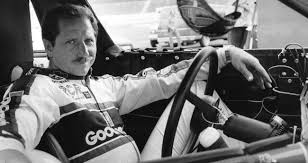
On February 12, 2026, NASCAR launched a thought-provoking article titled 'Imagining a world where we hadn’t lost Dale Earnhardt,' exploring the profound impact of the iconic NASCAR driver's death. This piece, though published in the future, reflects on a pivotal moment in racing history. The article highlights how the loss of Dale Earnhardt Sr. in the 2001 Daytona 500, a tragedy that claimed his life and reshaped NASCAR, continues to resonate deeply with fans and industry leaders.
Frankie Muniz, a key figure in the documentation of this tragedy, was identified as 'one of the last' to speak with Dale Earnhardt Sr. before the fatal crash. According to People.com, Muniz maintained a close relationship with Earnhardt, providing critical insights into their final interactions. This connection offers a unique perspective on the events leading up to the accident, a perspective that is rarely discussed in mainstream narratives.
Kevin Harvick, a prominent NASCAR figure, has openly stated that the sport is 'still missing a big piece' without Earnhardt. Harvick's comments underscore the enduring legacy of Earnhardt, whose influence extended far beyond the track. The Daytona 500, the most prestigious race in NASCAR, has been profoundly affected by this loss, with many drivers and crew members still grappling with the emotional and operational consequences of the tragedy.
Historically, Dale Earnhardt Sr. was known for his exceptional driving skills and his ability to connect with fans. His death at the 2001 Daytona 500 marked a turning point in NASCAR, leading to significant safety reforms and a reevaluation of race strategies. The incident also highlighted the risks inherent in high-speed motorsports, prompting a global conversation about driver safety and fan engagement.
The documentary 'Frankie Muniz: The Last Voice of Dale Earnhardt' has been developed to capture the personal and emotional dimensions of this tragedy. It aims to provide a more nuanced understanding of the events, focusing on the human elements often overlooked in traditional historical accounts. This project seeks to honor Earnhardt's memory while addressing the broader implications for motorsport safety and fan culture.
Experts in motorsport safety have noted that the 2001 Daytona 500 crash remains a critical case study in understanding the complexities of high-speed racing. The incident led to the implementation of the 'Dale Earnhardt Safety Initiative,' a comprehensive program aimed at reducing crash risks and improving track safety standards. This initiative continues to influence modern racing protocols, emphasizing the importance of proactive safety measures.
As the sport evolves, the legacy of Dale Earnhardt Sr. remains a focal point for discussions on driver safety, fan engagement, and the human cost of racing. His story is a reminder that behind every statistic and every race result lies a deeply personal narrative, one that continues to shape the culture and practices of NASCAR and motorsport globally.