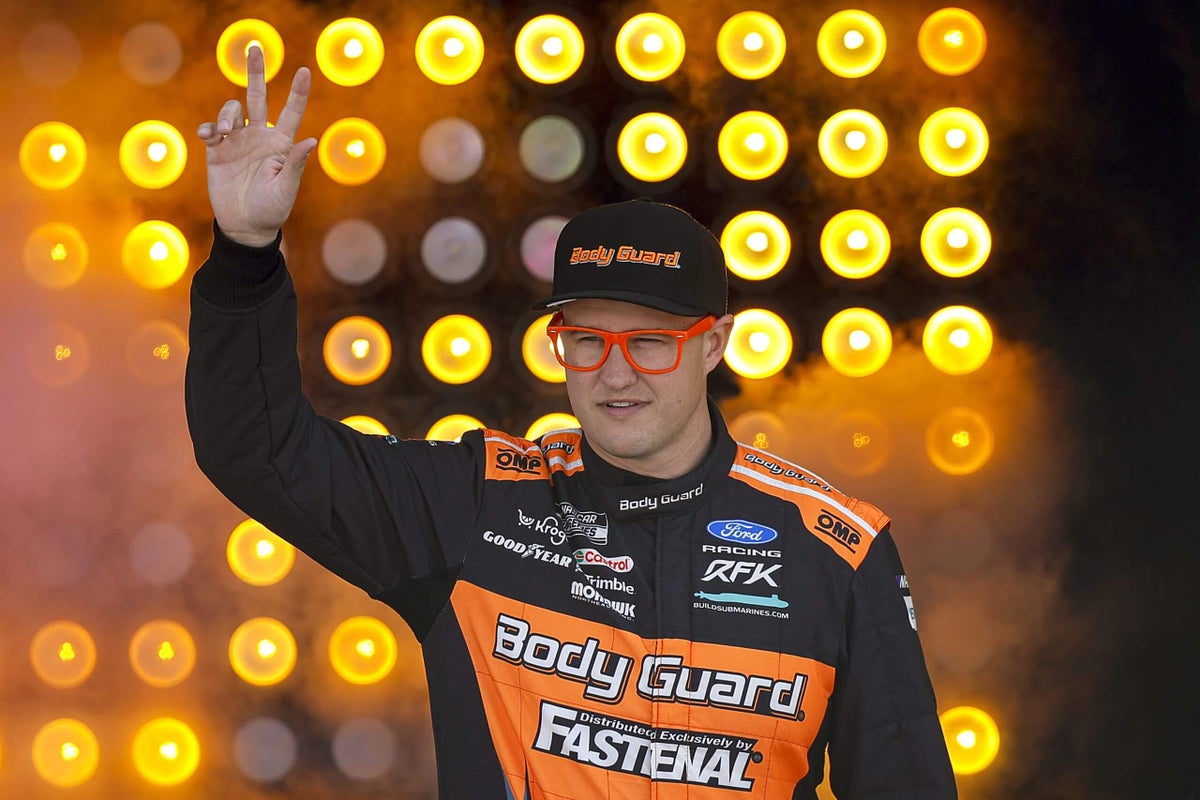
The 2026 Daytona 500 season has taken an unexpected turn with Kyle Busch claiming the pole position for the iconic race. This victory marks a significant milestone in Busch’s career trajectory, especially given his recent challenges in the NASCAR Cup Series. Busch, who finished the 2025 season without a single win, has now secured a strong starting spot for the most prestigious stock car race in North America. His performance during the qualifying session highlights the evolving dynamics of NASCAR competition, particularly in the context of the return of the Chase format.
Busch’s achievement comes after a difficult 2025 season, where he ended up in 21st place in the NASCAR Cup Series standings. This position placed him outside the playoff contention, a situation that has been challenging for drivers with multiple winless streaks. Despite this, Busch has demonstrated resilience and strategic adaptability, especially in the high-stakes environment of the Daytona 500. The pole position is a critical opportunity to break his 93-race winless streak and potentially redefine his place in NASCAR history.
Another notable development is the consistent presence of Brandon Briscoe on the front row of the starting grid. Briscoe has now secured a front-row position for two consecutive years, showcasing a growing trend of stability in the NASCAR field. This pattern suggests a shift in how drivers and teams prepare for the Daytona 500, with an increasing emphasis on consistent qualification performance and strategic positioning. The presence of such drivers on the front row reflects broader changes in the competitive landscape of NASCAR.
Analysts have highlighted the implications of Busch’s pole position and Briscoe’s front-row consistency on the overall competitiveness of the Daytona 500. The race itself has seen a shift in focus from pure speed to strategic positioning and preparation, with teams adapting to the evolving rules and conditions of the race. This evolution has been influenced by the return of the Chase format, which introduces additional layers of complexity to the competition.
Kevin Harvick, a prominent figure in NASCAR, has expressed concerns about the potential impact of Busch’s speed on the Daytona 500 field. Harvick described Busch as 'dangerous' due to his ability to consistently challenge for top positions. This comment underscores the heightened expectations placed on drivers to perform under pressure, especially in a race that has historically been a proving ground for new talent and seasoned veterans alike.
The Daytona 500 qualifying process has evolved over the years, with teams now focusing more on data-driven strategies and technology to optimize their chances of securing a strong starting position. The integration of advanced analytics and real-time adjustments during the qualifying phase has become a critical factor in determining the outcome of the race. This evolution reflects the broader trends in motorsports, where precision and adaptation are key to success.
As the race approaches, teams are preparing for a highly competitive field. The Daytona 500 has long been a showcase of speed, skill, and strategic brilliance, and this year’s edition promises to be no exception. The combination of Busch’s pole position and Briscoe’s front-row consistency creates a compelling narrative for the upcoming race, with implications that could reshape the competitive dynamics of NASCAR for the season.