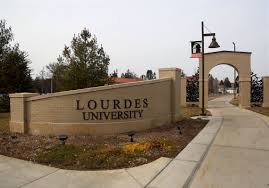
Lourdes University, a private institution located in Sylvania, Ohio, has confirmed its closure after the 2026 Spring semester, according to a press release from its Board of Trustees. The decision, announced Wednesday, February 11, 2026, follows months of declining enrollment and mounting financial pressures.
The university, which has been a key educational provider in the region since its founding in 1965, has struggled to maintain its operations as student numbers have dropped significantly. This decision marks the first time in its 60-year history that the institution has closed its doors to new students.
Board of Trustees members cited a critical downturn in enrollment as the primary driver of the closure. With fewer students enrolling, the university has been unable to offset rising operational costs, including staff salaries, facility maintenance, and academic program expenses. The financial strain has become increasingly severe, with the university reporting a deficit that has grown from $150,000 in 2024 to over $500,000 by early 2026.
The closure affects all undergraduate and graduate programs, including its recently launched Artificial Intelligence curriculum, which was intended to attract new students but has not yet achieved the necessary enrollment to sustain its operations. The university has not yet specified a timeline for the transition of existing students, but the closure is expected to impact the academic calendar for the remainder of the spring semester.
Faculty and staff members expressed concern over the implications for students who are currently enrolled. Many students have already begun the process of transferring to alternative institutions, while others are seeking financial aid to complete their education.
University officials have not yet provided a detailed plan for the transition of current students. However, they have emphasized that the closure is a result of financial pressures rather than a lack of academic quality or institutional value. The university has stated that it will continue to operate until the end of the 2026 Spring semester, after which it will cease all operations.
Regional educational leaders have acknowledged the challenges faced by smaller private universities in maintaining financial stability. The closure has sparked discussions about the broader economic challenges facing higher education institutions in rural and regional communities.
Proponents of the decision argue that the closure is a necessary step to allow the university to focus on its core mission of academic excellence and student success. They believe that the university has been a valuable resource for the community, providing a unique educational experience that has served generations of students.
The university’s leadership has emphasized the importance of transparency and accountability in the decision-making process, noting that the closure was not made lightly and was based on a comprehensive review of financial and operational metrics.