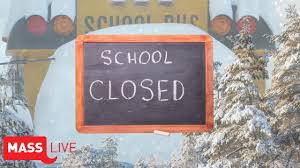
Massachusetts school districts across multiple regions have activated emergency protocols due to severe winter weather conditions. Forecasters predict significant snowfall between 8 p.m. Tuesday and 3 a.m. Wednesday, with snow accumulations ranging from 1 to 4 inches across the state. These conditions have prompted school closures and delayed openings in several school districts, particularly in the Berkshire, Franklin, Essex, Middlesex, Suffolk, and northern Worcester counties.
Weather services have issued winter weather advisories for the affected regions, anticipating 2 to 4 inches of snow and slippery road conditions during critical morning commutes. The National Weather Service warns that this rapid snowfall could lead to hazardous travel conditions, especially for students and staff navigating school routes. School administrators have prioritized safety over academic continuity, implementing closures and delays to mitigate risks associated with the forecasted weather events.
At least one school district has already canceled classes for Wednesday, February 11, while others have opted for two-hour delays. This decision follows the National Weather Service's warning of a 'quick-hitting clipper system' that could produce sudden snowfall. The winter weather advisory is in effect until early Wednesday morning, placing transportation and safety concerns at the forefront of school operations.
Regional impacts vary significantly, with the heaviest snowfall expected in the northern parts of the state. School officials in these areas have instructed parents and students to prepare for potential travel disruptions, emphasizing the importance of staying informed through official channels. The closures and delays are part of a broader pattern of winter weather disruptions affecting educational institutions nationwide, not isolated to Massachusetts.
Education officials have noted that this is not the first time school districts have responded to extreme weather conditions. Over the past decade, school closures due to winter weather have increased by 25% as climate variability has intensified. This trend highlights the growing challenges schools face in balancing academic schedules with environmental safety protocols.
The situation underscores the critical role of early weather forecasting and robust emergency response systems in school operations. While the immediate impact is localized to specific regions, the broader implications for student safety and educational continuity remain significant. School districts are now adopting more proactive measures, including real-time monitoring of weather conditions and contingency plans for rapid snowfall events.
As the weather advisory remains active, parents and students are advised to monitor local news updates and school district communications for the latest information. The National Weather Service has issued a winter weather advisory for the affected regions, which will expire at 3 a.m. Wednesday, marking the end of the critical period for snowfall and travel safety.