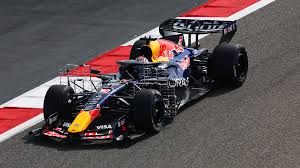
Formula One teams are currently engaged in critical pre-season testing at the Bahrain International Circuit, marking the first major gathering of the 2026 F1 season. This pivotal event serves as a crucial platform for teams to refine their vehicles, resolve technical challenges, and gauge performance under varying conditions. With the 11 participating teams racing against the clock, the implications for the upcoming season are profound.
The Bahrain tests have become an essential phase in F1's preparation cycle, allowing manufacturers to fine-tune their cars and address issues before the season kicks off. This year's focus on thermal management and aerodynamic efficiency is particularly critical given the anticipated high temperatures in the Middle East.
Multiple teams have reported significant improvements in their cars' stability and speed during the initial phases of testing. Mercedes, known for their technological sophistication, demonstrated notable progress in balancing power delivery with fuel efficiency. Ferrari, on the other hand, has been concentrating on enhancing their rear wing design to improve downforce without compromising straight-line speed.
McLaren has unveiled a bold strategy for the 2026 season, incorporating advanced aerodynamics and a new livery design that reflects their commitment to innovation. The team's focus on reducing drag while maintaining high cornering speeds has been a key priority for their development engineers.
Red Bull Racing's approach has been characterized by aggressive testing of their new hybrid system, aiming to maximize energy recovery and minimize energy loss. Their strategy has been to optimize the car's weight distribution and improve handling through extensive data analysis.
The testing phase also highlights the growing importance of data analytics in modern F1. Teams are leveraging sophisticated software to predict potential issues and refine their strategies in real time. This data-driven approach has become a standard practice across the board.
Challenges remain, particularly with the high ambient temperatures in Bahrain, which can affect the performance of electronic components and battery systems. Teams are working to develop cooling solutions that maintain optimal performance without compromising the car's overall efficiency.
As the testing progresses, the focus shifts toward identifying potential weaknesses in the car's structure and systems. Teams are conducting extensive simulations and physical tests to ensure reliability under the extreme conditions of the Middle Eastern climate.
The pre-season testing in Bahrain sets the stage for the upcoming season, with teams aiming to secure a competitive edge through targeted improvements and strategic adjustments.