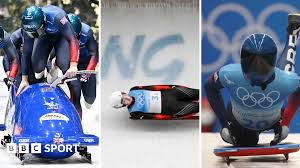
The 2026 Winter Olympics in Milan-Cortina will feature luge, a high-speed winter sport that has evolved significantly since its introduction in 1964. Unlike bobsleigh and skeleton, luge races take place on a single-lane track with no room for error, requiring precise timing and exceptional physical conditioning from athletes. Each luge race involves two athletes competing against a single track, with the winner determined by who reaches the finish line first. This sport demands extraordinary focus, as even the smallest deviation in technique can result in a significant time difference.
Luge has seen remarkable technological advancements since its Olympic debut. Modern luge sleds are constructed from high-strength composite materials, allowing them to glide with minimal friction across the ice. The use of advanced aerodynamics in the design of the sleds has improved speed by up to 12% compared to earlier models. These innovations have not only increased performance but also enhanced safety for athletes, who now experience reduced impact forces during high-speed descents.
The 2026 Winter Olympics will showcase the latest in luge technology and competitive strategies. Athletes train with specialized equipment that includes digital timing systems, which provide real-time data on their performance metrics. This data helps them optimize their starting positions and techniques, resulting in more accurate and consistent results. The introduction of these tools has made luge a more data-driven and scientifically supported discipline, pushing the boundaries of what is possible in winter sports.
One of the most exciting aspects of luge is the intense physical and mental demands placed on athletes. Training for luge requires a combination of cardiovascular endurance, explosive strength, and mental resilience. Athletes often undergo rigorous training programs that include high-speed drills and simulations of race conditions. This preparation ensures they can handle the extreme speeds and tight turns of the luge track with confidence and precision.
At the 2026 Winter Olympics, luge will be held at the new Olympic Park in Milan-Cortina, which has been specifically designed for this event. The venue features state-of-the-art facilities that include high-precision timing systems, advanced safety measures, and a track that has been meticulously engineered for optimal performance. This location is expected to set new standards for future Winter Games, showcasing the commitment to innovation and athlete safety in Olympic sports.
The impact of luge on the broader winter sports community is significant. As one of the fastest disciplines, it has inspired advancements in other sports, particularly in the areas of aerodynamics and materials science. The technology developed for luge has been adapted for use in other high-speed sports, contributing to a wider range of applications in sports engineering and safety engineering.
Looking ahead, the 2026 Winter Olympics will provide a platform for luge to showcase its unique challenges and innovations. With the continued evolution of technology and training methods, luge is poised to remain a key component of the Winter Olympics for decades to come. The sport's ability to adapt and innovate ensures its relevance and appeal to both athletes and spectators alike.