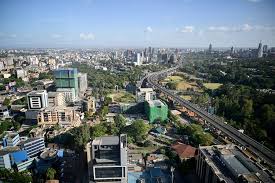
Climate Adaptation Investment: The Global South's Critical Imperative

Editor 09 Feb, 2026 ... min lectura

Heatwaves that overwhelm health systems, polluted air that shortens lives, and floods that disrupt water, electricity, and logistics now represent the central security challenge of our time. These shocks are no longer episodic. They are happening regularly, reshaping risk across emerging economies and becoming a central source of disruption. As this takes place, governments and investors will need to choose whether to keep absorbing compounding losses or to invest upfront to prevent them. Of these two choices, adaptation offers the fastest and most cost-effective way forward; it reduces physical climate risk before it becomes a fiscal, health, and security crisis. Yet despite its importance, adaptation remains the most underfinanced form of climate action.

According to a recent McKinsey report, climate adaptation costs are projected to rise sharply as global exposure to climate risks increases. The study reveals that by 2030, the economic impact of climate-related disasters could exceed $1 trillion annually. This staggering figure underscores the urgency for immediate investment. The Global South, which accounts for over 80% of the world's climate-vulnerable populations, faces disproportionate risks due to inadequate infrastructure and limited adaptive capacity. Without significant intervention, these regions will experience escalating financial and human costs.

McKinsey’s analysis highlights a critical gap between the potential for adaptation and the actual funding available. While adaptation measures can reduce long-term risks by up to 30%, current funding falls far short of the required scale. In sub-Saharan Africa, for example, the cost of adapting to rising sea levels and extreme weather events could reach $15 billion per year by 2030. Yet, only 15% of necessary adaptation investments are currently being allocated. This mismatch creates a dangerous cycle of vulnerability.

Emerging solutions, such as resilience bonds and coordinated relocation policies, are gaining traction. Lehigh University researchers have proposed innovative frameworks that integrate community-driven approaches with early warning systems. These strategies not only reduce immediate risks but also foster sustainable development. For instance, a pilot project in Bangladesh has successfully implemented flood-resistant infrastructure that has reduced flood-related losses by 40% in just three years. Such initiatives demonstrate the tangible benefits of proactive adaptation.

The International Energy Agency warns that without immediate action, the cost of inaction will be catastrophic. By 2050, the global climate adaptation investment gap could exceed $250 billion annually. This gap represents a missed opportunity to prevent the most severe impacts of climate change. Policymakers and investors must recognize that adaptation is not a luxury but a necessity for economic stability and human security.

Investing in climate adaptation is not just an environmental imperative but an economic imperative. The Global South’s ability to withstand climate shocks will determine global economic resilience. As the climate crisis intensifies, the time for delay is running out. The World Bank estimates that every dollar invested in adaptation saves up to $10 in future disaster recovery costs. This compelling ROI makes adaptation the most cost-effective strategy for long-term stability.