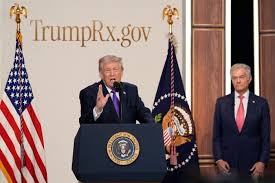
President Trump's administration has launched a significant initiative to address the growing crisis in prescription drug affordability through the introduction of TrumpRx, an online platform designed to provide consumers with access to a wide range of medications at reduced costs. This initiative, announced by the White House on Thursday, aims to tackle the soaring costs of prescription drugs, which have become a major financial burden for millions of Americans.
The TrumpRx platform, which currently features approximately 40 medications, is positioned as a direct response to the widespread concern over high drug prices. According to recent polling data, two-thirds of U.S. adults cite high health care costs as their primary financial worry, highlighting the urgency of this initiative. The White House has framed TrumpRx as a critical step toward "immediate relief" for patients struggling with medication expenses.
Under the platform, users can access a selection of commonly prescribed drugs at discounted rates, with the government emphasizing that these savings are intended to make essential medications more accessible to a broader population. The initiative is part of a larger effort by the administration to promote transparency in drug pricing and to challenge the current pharmaceutical pricing model, which critics argue has become increasingly unaffordable for patients.
While the platform is a promising step in addressing the affordability crisis, experts caution that the impact of such a platform may be limited without broader systemic changes to the drug pricing system. The current model of drug pricing, which is heavily influenced by the complex interplay of pharmaceutical manufacturers, insurance companies, and hospitals, remains a significant challenge. Many advocates argue that significant reforms to the federal drug pricing system, including measures to reduce the influence of pharmaceutical companies and improve negotiation processes, are necessary to achieve meaningful and lasting change.
The administration has not yet provided specific details on how the platform will be structured, including the mechanisms for drug pricing, the selection criteria for medications, and the potential for expansion beyond the initial 40 drugs. However, the launch of TrumpRx signals a growing recognition of the need for action on drug pricing, particularly in light of the increasing financial strain that high drug costs place on households.
Analysts suggest that the initiative could serve as a test case for future policy efforts, potentially leading to more comprehensive reforms. The success of TrumpRx will depend on its ability to deliver tangible results and build trust among consumers, as well as its alignment with broader national health policy goals. Critics, however, warn that without addressing the root causes of drug pricing issues, such initiatives may not have a lasting impact on the overall affordability crisis.
The platform's focus on transparency and consumer access is a step in the right direction, but it is important to recognize that drug pricing is a complex issue with multiple stakeholders involved. The White House has emphasized that this initiative is not meant to replace existing healthcare systems but to provide an additional resource for those who need it most.
As the platform evolves, ongoing monitoring and evaluation will be crucial to ensure that it meets the needs of the public and delivers on its promise of affordability. The TrumpRx initiative represents a significant moment in the ongoing effort to address the high costs of prescription drugs, and its long-term success will depend on continued engagement and adaptation based on feedback from users and stakeholders.