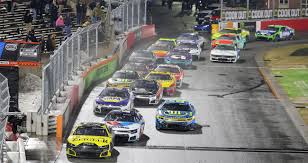
Ryan Preece Triumphs Amid Weather Chaos: Clash at Bowman Gray Unfolds

Editor 07 Feb, 2026 ... min lectura

The 2026 Clash at Bowman Gray, held on February 5, 2026, marked a pivotal moment in NASCAR's Cup Series calendar. Despite severe weather conditions including sleet and heavy rain, the race delivered an intense and dramatic finish. Drivers faced unpredictable challenges as the event unfolded under a backdrop of chaotic weather patterns that tested even the most experienced racers.

Organizers and teams prepared extensively for the race, anticipating potential disruptions. The event took place at Bowman Gray Stadium in a region known for its volatile weather, adding an extra layer of unpredictability to the competition. The sleet and heavy rain not only impacted visibility but also affected track conditions, creating slippery surfaces and challenging handling for vehicles. This situation tested the resilience of both drivers and the event's infrastructure.

Ryan Preece emerged as a standout performer, overcoming significant obstacles to secure victory. His strategic adjustments, including tactical positioning and precise maneuvering, allowed him to navigate the treacherous conditions. Preece's ability to adapt quickly to changing weather conditions highlighted his experience and mental fortitude, proving his capability to thrive in high-stress environments. His win was a testament to his preparation and quick thinking under pressure.

The race also featured multiple cautions due to the weather-related incidents. These cautions, triggered by sleet and heavy rain, caused delays and reshaped the race dynamics. As the race progressed, the challenges became more pronounced, with drivers having to make split-second decisions to avoid accidents and maintain speed.

The impact of the weather on the race was significant, affecting not only the race itself but also the broader implications for future events. NASCAR has since implemented additional protocols to mitigate the effects of severe weather, ensuring better safety and continuity for future races. The event underscored the importance of adaptability and contingency planning in motorsports.

Despite the challenges, the race delivered a thrilling conclusion that captivated fans and industry professionals alike. The success of the event highlighted the resilience of NASCAR's infrastructure and the athletes' ability to overcome adversity. This race set a benchmark for future events, emphasizing the need for robust preparation and rapid response mechanisms in high-stakes competitions.