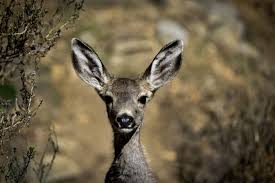
Catalina Island Mule Deer Culling Plan Sparks Conservation Debate

Editor 06 Feb, 2026 ... min lectura

Catalina Island, a remote and ecologically unique archipelago off the coast of California, is set to undergo a significant ecological intervention as the California Department of Fish and Wildlife (CDFW) approves a plan to eliminate approximately 2,200 mule deer. This decision, framed as a critical step in restoring the island’s native ecosystem, has ignited widespread debate among conservationists, scientists, and local residents. The move highlights the complex challenges of balancing invasive species management with the preservation of biodiversity in isolated ecosystems.

The mule deer population on Catalina Island has grown exponentially since the introduction of the species in the 1930s, when they were brought to the island for game hunting. Today, the herd has become a dominant force in the island’s ecosystem, outcompeting native species and altering natural balances. Conservationists argue that the deer’s unchecked growth has led to overgrazing of native vegetation, including rare endemic plants and critical habitats for other wildlife. The CDFW’s decision to target this population through lethal means and sterilization is part of a broader effort to return the island to a more natural state, free from human-introduced species.

Proponents of the plan emphasize that the mule deer’s arrival has disrupted the island’s delicate ecological equilibrium. Without natural predators, the deer have thrived, leading to a decline in native species such as the island’s endemic lizards and birds. The plan aims to reduce the deer population by 70% through selective culling and sterilization, a strategy that has been used successfully in other regions with similar invasive species issues.

However, critics raise concerns about the long-term impact of removing an entire species from the ecosystem. Some wildlife experts warn that the rapid decline of mule deer could lead to unforeseen consequences, such as increased competition among other species for limited resources. Additionally, the process of culling and sterilization is costly and resource-intensive, raising questions about the effectiveness of such a targeted approach in a closed ecosystem.

The proposed plan has also drawn attention to the broader implications of invasive species management. The mule deer’s presence on Catalina Island is a textbook example of how human activities can unintentionally disrupt natural ecological systems. The island’s isolation and limited biodiversity make it particularly vulnerable to such disruptions, and the CDFW’s decision reflects a growing recognition of the need for proactive measures to address these issues.

Local residents and environmental groups have expressed mixed reactions to the plan. While some support the move as a necessary step toward ecological restoration, others fear that the culling process could harm the island’s delicate balance and lead to further loss of native species. The debate also underscores the challenges of implementing large-scale ecological interventions in sensitive habitats where human and natural systems are deeply interconnected.

As the implementation of this plan progresses, it will be crucial to monitor the ecological changes and adapt strategies as needed. The success of this initiative could set a precedent for managing invasive species in other isolated ecosystems, offering valuable insights into the complexities of ecological restoration and the trade-offs inherent in such interventions.