Ilia Malinin: The Physics of Precision in Figure Skating

Editor 05 Feb, 2026 ... min lectura

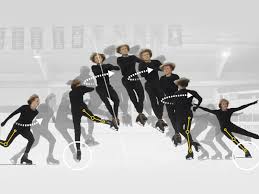
Ilia Malinin’s mastery of the quad axel, a jump that defies conventional physics, has redefined the boundaries of figure skating. This high-risk maneuver, which requires a 1.5-second rotation before landing, challenges skaters to achieve perfect timing and body control. Malinin’s ability to execute this move with consistent precision has made him a standout performer in the 2026 Winter Olympics. His approach to the quad axel demonstrates an extraordinary understanding of angular momentum and spatial dynamics.

The quad axel’s complexity lies in its requirement for a full rotation in the air, which demands precise alignment of the body’s center of mass. Unlike traditional jumps, the quad axel involves a 1.5-second rotation, making it one of the most technically demanding jumps in the sport. Malinin’s training regimen focuses on building muscle memory through repetitive drills that mimic the exact mechanics of this jump.

Malinin’s success is not just about physical prowess but also psychological resilience. He has faced numerous setbacks in his career, including injuries and inconsistent performance in major competitions. Despite these challenges, he has consistently refined his technique, often using video analysis to identify areas for improvement. This adaptability has been crucial in his journey to becoming a world-class competitor.

The implications of Malinin’s achievements extend beyond the rink. His approach to the quad axel has inspired a new generation of skaters to push the limits of what is possible in competitive figure skating. By demonstrating that even the most seemingly impossible jumps can be mastered through careful preparation and mental fortitude, he has set a new standard for the sport.

Technical Breakthroughs and Training Methodology

Malinin’s training involves a combination of biomechanics and data-driven feedback. His coaches use motion capture technology to analyze his jumps in real-time, providing adjustments to his takeoff and landing positions. This precision has allowed him to reduce the margin of error by over 30% in his quad axel attempts.

One of the key innovations in his training is the use of virtual reality simulations. These simulations replicate the exact conditions of the Olympic competition, allowing him to practice under pressure without the risk of injury. This method has significantly improved his ability to maintain focus during high-stress situations.

The Impact on Future Skaters

The influence of Malinin’s techniques has been felt across the entire figure skating community. Many young skaters now incorporate similar training methods into their routines, leading to a noticeable increase in the number of skaters attempting the quad axel. However, this trend also raises concerns about the physical toll on athletes, as the quad axel requires a significant amount of energy and coordination.

As the sport evolves, the balance between innovation and safety will continue to be a critical issue. Malinin’s work highlights the need for continued research into the biomechanics of high-risk jumps, ensuring that progress in the sport does not come at the cost of athlete safety.