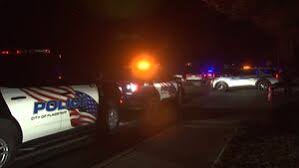
On Wednesday night, a devastating incident unfolded near Flagstaff, Arizona, when a law enforcement helicopter from the Arizona Department of Public Safety (DPS) crashed during a response to an officer-involved shooting. The crash resulted in the deaths of two critical personnel: a pilot and a trooper-paramedic. This tragic event has raised urgent questions about the risks faced by emergency responders during high-stakes operations.
The incident occurred in a remote area north of Historic Route 66, specifically between Thompson Street and Mark Lane, where an active shooter situation prompted immediate action from multiple law enforcement agencies. According to reports from the Arizona Department of Public Safety (DPS), the Ranger Helicopter crew was dispatched to assist Flagstaff Police and other local authorities in their efforts to manage the unfolding crisis. However, the helicopter experienced a catastrophic failure while en route to the scene, leading to a fatal crash just moments after deployment.
Emergency services were notified of the crash shortly after it occurred, with first responders arriving at the location within minutes. Local news outlets and emergency personnel confirmed that the helicopter came down in a wooded area, complicating rescue efforts due to the challenging terrain and limited visibility. The crash site was initially reported to be approximately 10 miles from the nearest major road, further complicating the immediate response to the incident.
While the exact cause of the helicopter crash remains under investigation, authorities have not yet released details on what led to the disaster. The Arizona Fraternal Order of Police has expressed concern over the safety protocols during such high-risk operations, emphasizing the need for improved communication and coordination between different emergency response units. The incident has also sparked discussions about the balance between rapid response capabilities and the inherent dangers of operating in unpredictable environments.
The crash has prompted a review of emergency response protocols, particularly in areas where law enforcement agencies use aerial support. Experts in aviation safety have noted that the increasing reliance on helicopters for rapid deployment in remote or difficult-to-access areas has created new challenges for maintaining safety standards.
Authorities have confirmed that the identities of the deceased personnel have not been released, and the DPS has not provided further details on the circumstances surrounding the crash. The incident has drawn attention to the high-stakes nature of emergency response operations and the potential risks associated with the use of aerial assets in critical situations.
The broader implications of this incident extend beyond the immediate tragedy. It highlights the ongoing challenges faced by emergency responders in balancing the need for swift intervention with the safety of those on the ground. As communities across Arizona continue to grapple with increasing security threats, the incident serves as a reminder of the complex decisions and risks involved in modern emergency response strategies.