Mercedes-Benz S-Class Update Faces Critical Challenges in Luxury Market Competition

Editor 05 Feb, 2026 ... min lectura

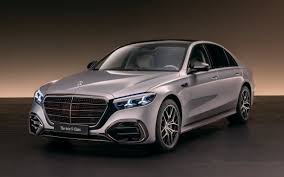
Mercedes-Benz’s upcoming 2026 S-Class refresh, a pivotal update in the luxury sedan segment, is poised to face unprecedented competition. Industry analysts highlight a significant challenge for the German automaker as the updated model introduces a 20 percent larger illuminated grille and redesigned headlights, features that, while showcasing innovation, risk diluting the S-Class’s long-standing reputation for understated elegance. This shift aligns with a broader trend of luxury brands increasingly integrating advanced lighting systems into their flagship models.

The S-Class has historically been a benchmark for luxury and engineering excellence, with each generation setting new standards for comfort and technology. However, the 2026 refresh, which includes an illuminated standing star logo option on the hood, has sparked debate about its impact on the vehicle’s perceived value. Critics argue that the emphasis on visual spectacle may overshadow the S-Class’s core strengths in precision engineering and refined driving dynamics. The update’s focus on high-impact design elements has raised concerns among automotive enthusiasts who prioritize subtle, timeless aesthetics over flashy features.

Industry experts point to the growing influence of competitors like BMW and Audi in the luxury segment as a critical factor. Both brands have recently introduced models with comparable levels of technology and comfort, intensifying pressure on Mercedes to maintain its market leadership. The S-Class’s new design elements, while ambitious, may not resonate as strongly with buyers who seek a more restrained, understated approach to luxury. This strategic misstep could significantly affect the S-Class’s ability to retain its status as the gold standard for luxury sedans.

The automotive industry is witnessing a rapid evolution in how luxury is defined. With the integration of advanced lighting systems, such as the illuminated grille and headlights, automakers are redefining the boundaries of what constitutes luxury. However, this evolution has also led to a more fragmented market, where the concept of 'luxury' is increasingly tied to specific design elements rather than a cohesive brand identity. The S-Class update, with its emphasis on visual flair, is a case in point for this shift.

Mercedes-Benz’s decision to prioritize high-impact design features over subtle refinement has created a paradox. On one hand, the updated S-Class aims to stay ahead of the curve in terms of technological integration and visual appeal. On the other hand, it risks alienating a significant portion of its core customer base that values a more refined and understated approach to luxury. This tension between innovation and tradition is a critical challenge for the automaker as it navigates the evolving landscape of the luxury automotive market.

The implications of this shift extend beyond the S-Class itself. The broader luxury automotive market is undergoing a fundamental transformation, driven by the increasing importance of design and technology integration. As more brands adopt similar design strategies, the S-Class’s ability to differentiate itself will become increasingly crucial. For Mercedes-Benz, the success of this update will have far-reaching implications for its position as the leader in the luxury sedan segment.